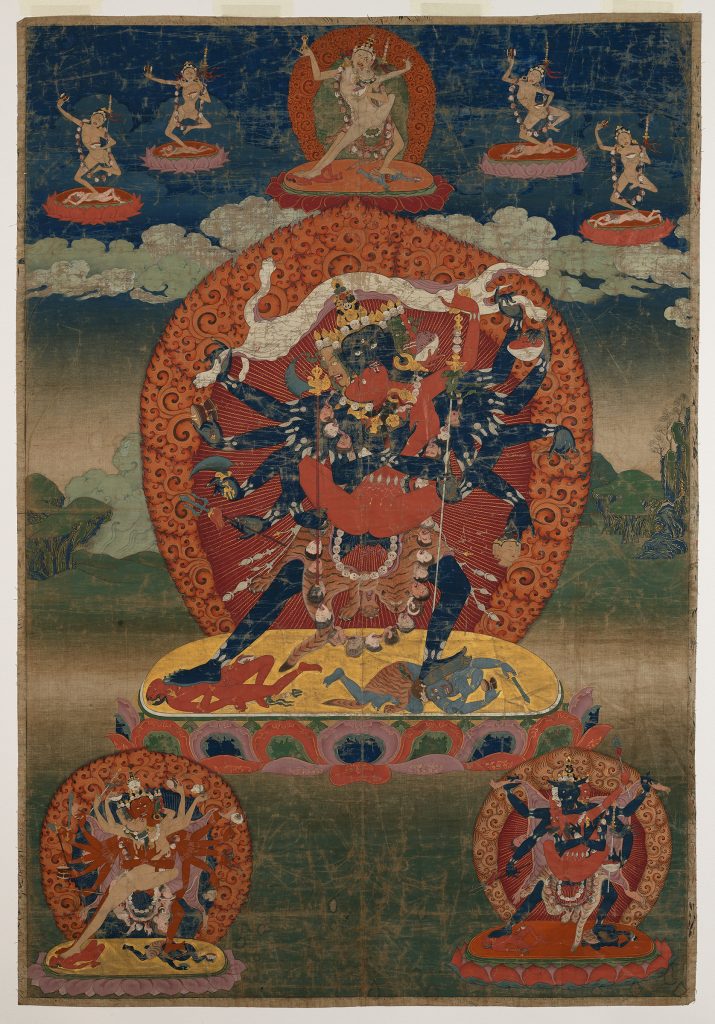
The presence of Tibetan artwork in museums and educational institutions in the United States and Europe stirs up strong, ambivalent feelings of apprehension and pride in us Tibetans. On the one hand, it is infuriating, deeply saddening, and even disorienting, because the majority of these artworks appear in such spaces thanks to colonization, occupation, and the displacement of our people and homeland. At the same time, they evoke pride, hope, and a profound sense of responsibility. These artifacts are not just symbols of our heritage but also serve as vehicles to convey our identity and belonging through their stories, and by showcasing our culture, spirituality, and history. Through this essay, I want to propose seeing Tibetan art in museums as an offering to Tibetan people that preserves and celebrates our heritage while promoting understanding and appreciation. The idea of offering, or chöpa, a gesture of devotion and respect, carries culturally important meaning that aims to honor and uplift our connections to one another.
Historical Context
Tibetan traditional art, which includes thangka paintings, wall paintings, sculptures, and ritual objects, encapsulates the essence of our spiritual belief and practices. Many of these artworks portray spiritual leaders and their teachings, serving not just as religious symbols but also as educational tools. In the museum setting, these objects offer a glimpse into our society, which constantly attempts to preserve its customs and faith despite external influences and modern trends.
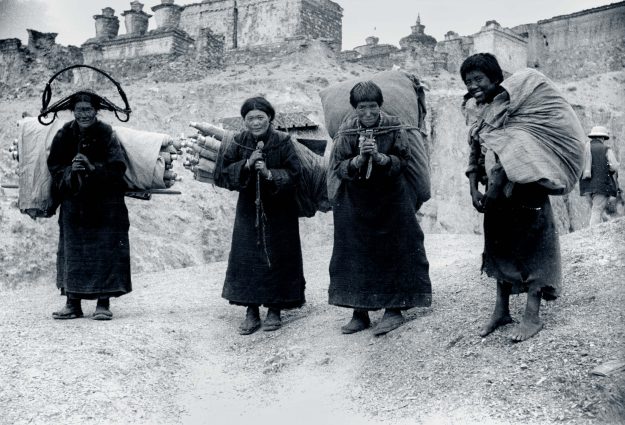
Yet the backstory of these artifacts is shadowed by the impacts of colonialism and political turmoil. The Chinese occupation in the 1950s and earlier British interventions brought about disruptions to our culture and religion, leading many Tibetans to seek refuge elsewhere. During this period, numerous Tibetan artworks were displaced, stolen, or forcibly sold off, eventually finding their way into museums and private collections. When exhibited in museums, our art should be appreciated as a gesture towards us—the Tibetan people—honoring our cultural legacy while recalling the historical injustices that caused the displacement of many of them. By showcasing these pieces, museums can help share our narratives, shedding light on our resilience and the depth of our traditions. This approach moves beyond admiration to acknowledge the cultural and historical importance of these works—a reflection of the purpose behind our traditional offerings.
Beliefs and Spirituality
Our traditional art is intricately linked with beliefs and rituals. To us, art serves not only as a way to express aesthetics. It is also often a tool for sharing religious beliefs and achieving spiritual growth. Thangka paintings, for example, are more than art; they contain sacred significance that often connects teachers, lineages, and history.
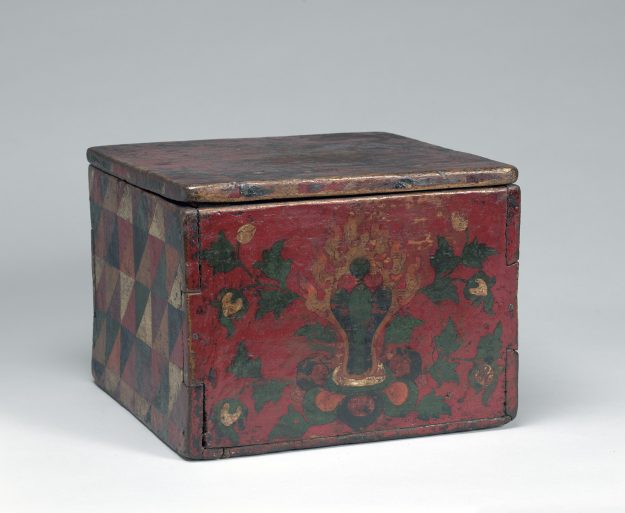
When displaying our art, museums should acknowledge and emphasize its many aspects. Museums need to strike a balance between presenting these artifacts as valuable treasures and also honoring the stories behind these artworks, including their teachings and the histories of the communities where they originated. This often requires collaboration with our community members and experts to ensure that the artworks are showcased respectfully, in line with their importance. By shining a light on the elements of our artwork, we can raise awareness about Tibetan Buddhism and its teachings, promoting an understanding of and respect for our culture. This can also contribute to safeguarding our traditions in the face of challenges.
Museums and Education
Western museums play an important role in educating the public about cultures and fostering conversations across different traditions. Including our art in museum displays offers a resource for learning. Visitors can delve into our past and present, our belief systems, and our creative expression, expanding their awareness and fostering understanding.
Supplementary educational initiatives and explanatory resources linked to art exhibitions can amplify this influence. Interactive exhibitions, guided presentations, talks, and hands-on sessions can offer background information and deeper interpretations of the artwork’s meanings and purposes. Collaborations with our monastics, artisans, and intellectuals can further enhance the learning experience by providing viewpoints and genuine perspectives.
By presenting our artwork as an offering to our people, museums can establish a meaningful, collaborative bond with the originating community.
By presenting our artwork as an offering to our people, museums can establish a meaningful, collaborative bond with the originating community. This calls for museums to act as guardians of our cultural and historical legacy, advocating for and participating in discussions on cultural conservation, while also upholding the moral aspects of acquiring and exhibiting sacred artifacts. Showing our artwork also reflects the impacts of colonialism and politics that have disrupted our lives, prompting awareness of the need for fair-minded cultural safeguarding.
Contemporary Relevance
Our artistry transcends its spiritual essence: it has inspired contemporary artists and movements, both within and beyond Tibetan societies. Its blend of styles, especially in contemporary Tibetan artwork, showcases how cultures influence each other and how traditional art forms remain significant to our people’s cultural continuity.

As contemporary Tibetan artists experiment with themes and aesthetics that reflect current societal and political concerns, museums can show how Tibetan art has not only endured but also creatively responded to the multiple disruptions of Tibetan modernity. For instance, many Tibetan artists today use traditional symbols to explore subjects like globalization, individuality, and the preservation of cultural roots. When exhibited alongside traditional art, these contemporary creations create a conversation between the past and present, tradition and innovation.
By showcasing our art in this manner, museums underscore traditional art not just as history, but as a living tradition and a source of inspiration, a tribute to the enduring cultural legacy of our people.
Challenges and Considerations
Displaying our artworks in museums, however, poses challenges. Because many pieces were acquired during times of social and political upheaval, museums must address problems of provenance and rightful ownership through provenance research and possibly repatriation initiatives.
Another challenge involves presenting objects. Museums must balance artworks’ accessibility with respect for their significance. Engaging with communities and religious leaders can ensure that the artworks are displayed in ways that respect our cultural values and customs. Museums must offer thoughtful materials that convey the essence of these artworks without oversimplifying or distorting their meanings. This process requires collaboration with experts in art, culture, and religion.
Tibetan traditional art in museums and educational settings should frame such exhibits as an offering to the Tibetan people, sharing our narratives and history, and shedding light on our traditions and political causes. These artworks link Tibetan people with the rest of the world, bridging past with present to inspire hope for better understanding. When museums establish respectful connections with our cultural heritage, they not only pay tribute to Tibet’s artistic and spiritual legacy but also acknowledge the historical repercussions of colonialism, while contributing to a more inclusive global cultural landscape.
◆

From Forms of Awakening: Tibetan Art from the Jack Shear Collection, edited by Benjamin Bogin, Ariana Maki, and Rachel Seligman, 2025. © The Frances Young Tang Teaching Museum and Art Gallery at Skidmore College, 2024.

Thank you for subscribing to Tricycle! As a nonprofit, we depend on readers like you to keep Buddhist teachings and practices widely available.