Podcast
Embodying the Dharma Through Ethical Living
Embodying the Dharma Through Ethical Living

Buddhist wisdom delivered to your inbox
Explore Tricycle’s introductory resources

Before meditation, there was a way of life. Join Scholar Grzegorz Polak to explore what Chan Buddhism and the earliest Buddhist texts have in common, and what modern meditation cultures have left out.
The brain does not intrinsically sense daily life as a minefield of terrifying distractions but as fertile soil out of which kindness might grow, rooting all to the solid ground of common, lived experience.
Get Buddhist wisdom delivered to your inbox daily.
The Daily Dharma App is now available!


TeachingsMagazine | Dharma Talk, Teachings
TeachingsMagazine | Dharma Talk, Teachings
Timeless teachings. Modern methods.

Join Zen teacher and palliative care nurse Sallie Jiko Tisdale for a pragmatic guide to the end of life.
With Sallie Jiko Tisdale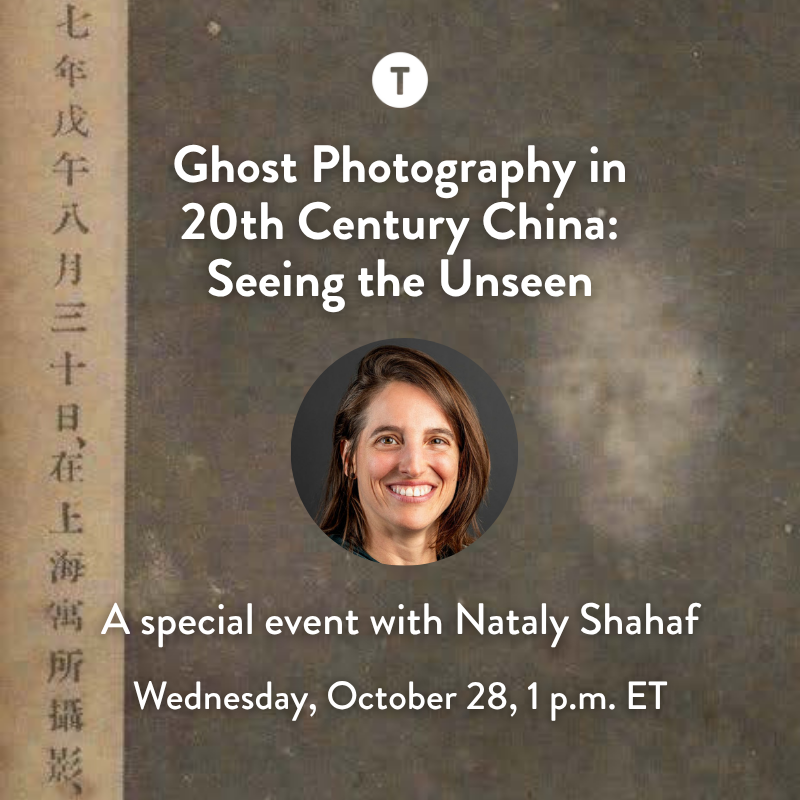
Join us for a spooky conversation just in time for Halloween about the use of visual media to preserve and reimagine cultural heritage.
Before meditation, there was a way of life. Join Scholar Grzegorz Polak to explore what Chan Buddhism and the earliest Buddhist texts have in common, and what modern meditation cultures have left out.

Join Soto Zen priest and palliative care nurse Sallie Tisdale in a discussion on fears around dying—how to hold them and release them.
Video teachings with contemporary Buddhist teachers
Buddhist films and discussion for the Tricycle community
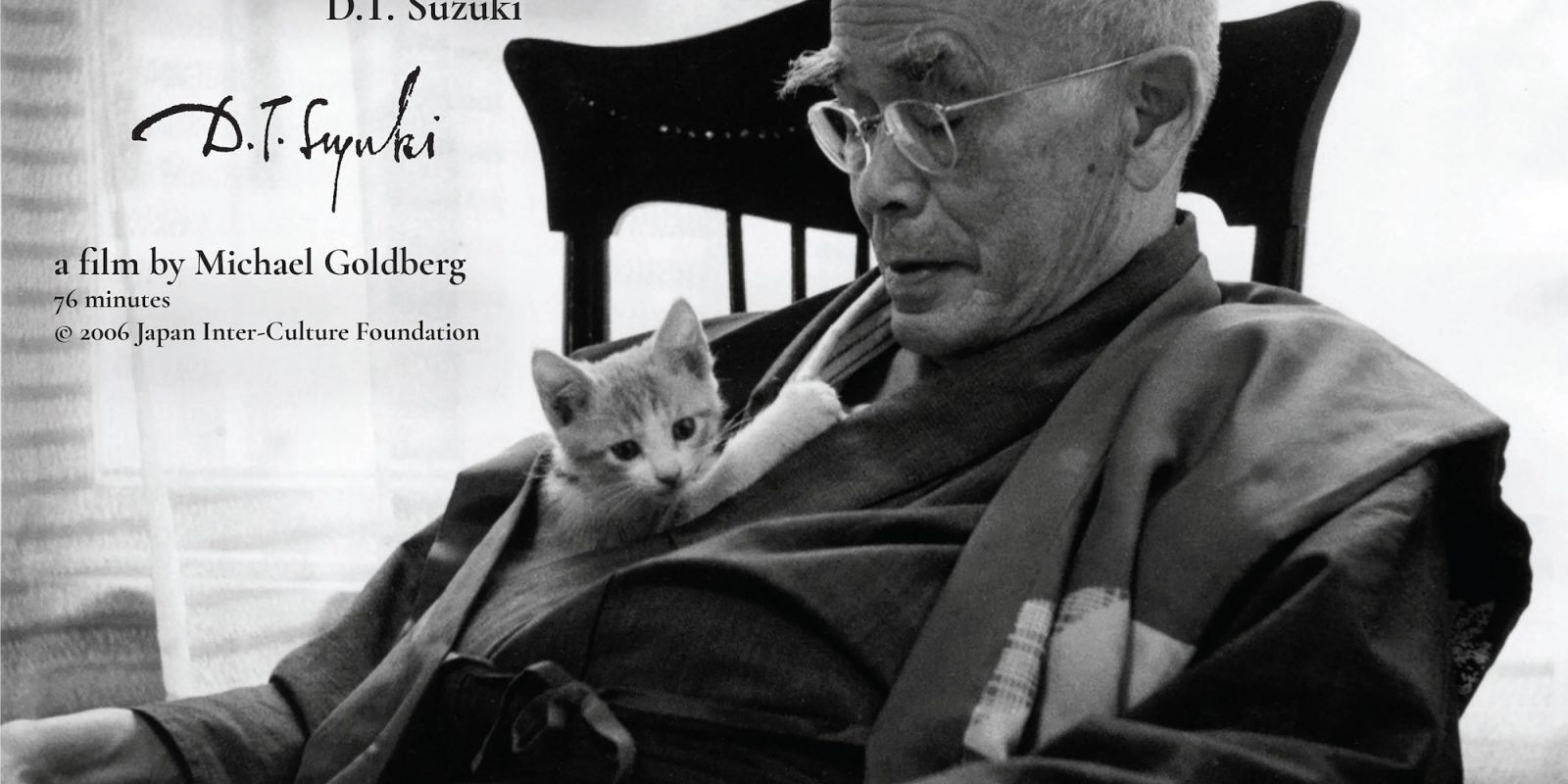
“A Zen Life – D.T. Suzuki” shares the life of the influential Japanese Buddhist philosopher Daisetz Teitaro Suzuki through conversations with Gary Snyder, Thomas Merton, John Cage, Erich Fromm, Robert Aitken, and his secretary Mihoko Okamura.
Conversations with contemporary Buddhist leaders & thinkers
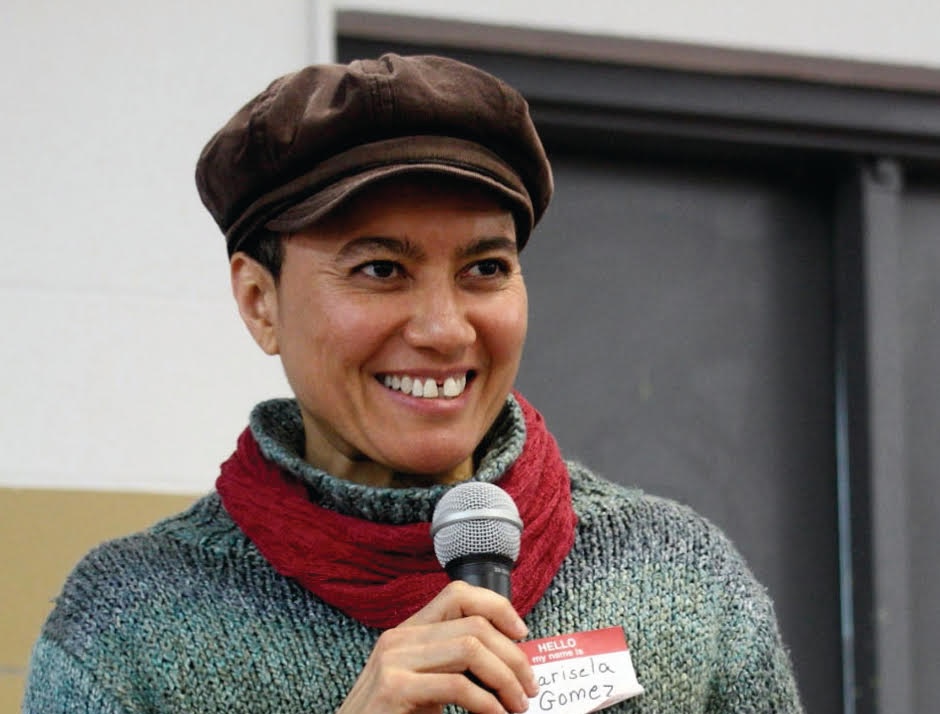
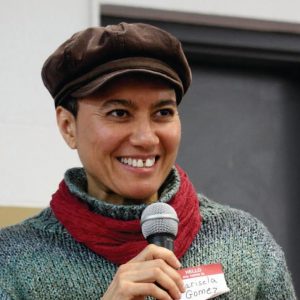
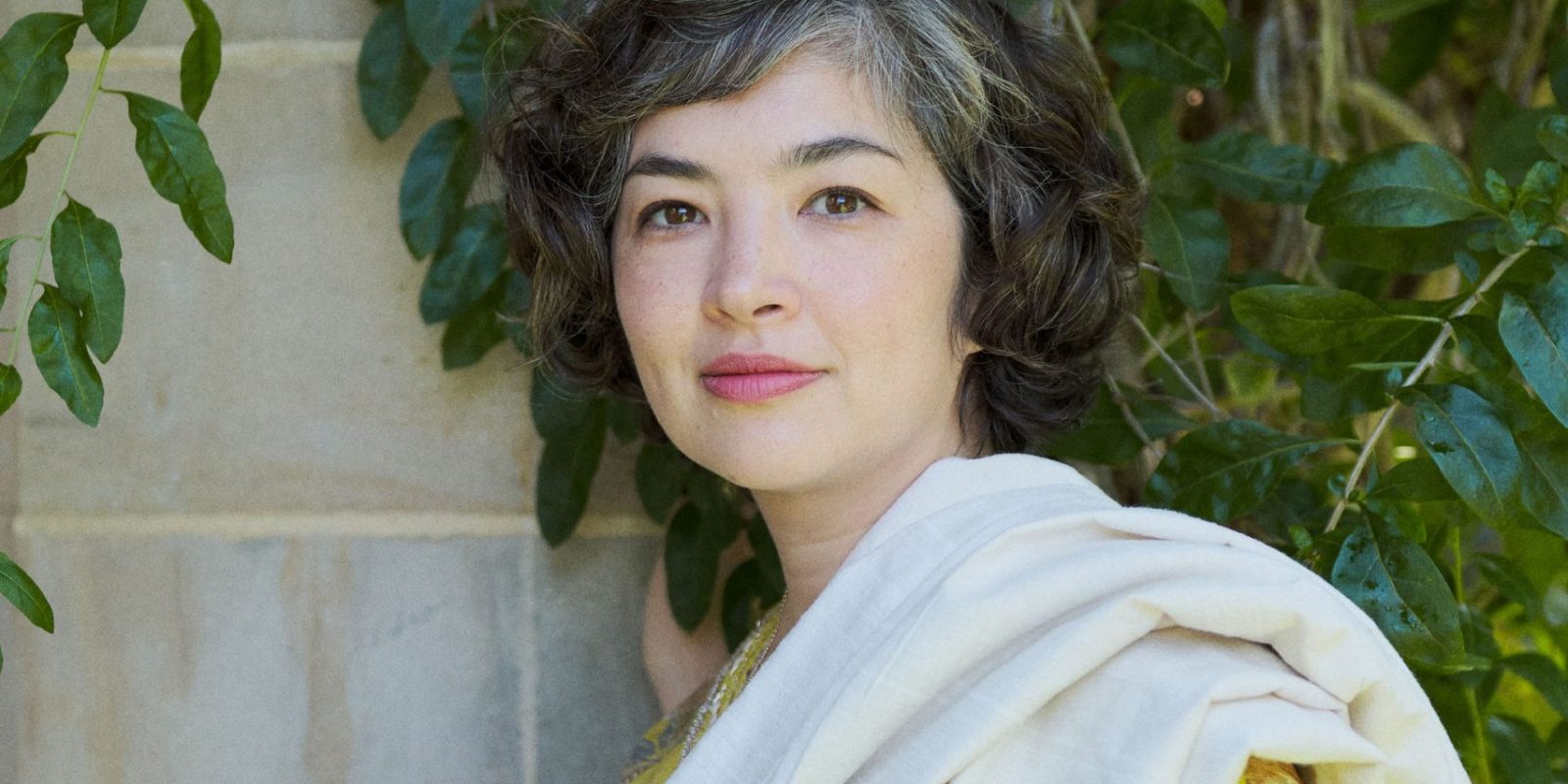
Dharma teacher Marisela B. Gomez discusses how contemplating the five mindfulness trainings can help us lead ethical lives and transform suffering in ourselves, our communities, and our world.
With Marisela B. Gomez, MD