DHAMMA TALK
“Ajahn Keng Khemako: Mindfulness in Daily Life” by Dhamma Talks at Dhammagiri
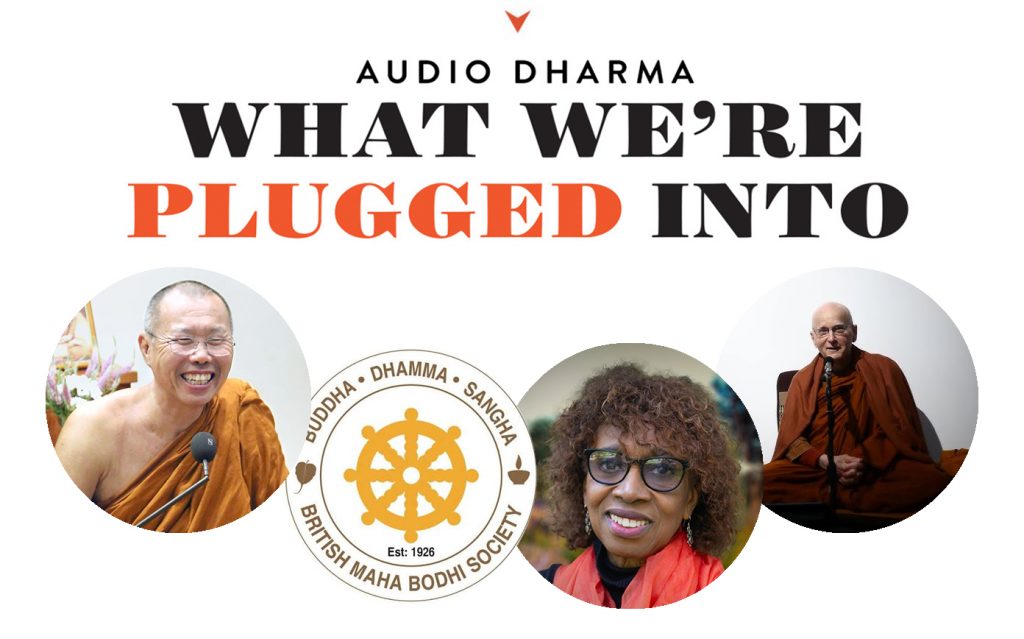
Ajahn Keng Khemako, abbot of Santi Forest Monastery in Malaysia, addresses the gap between formal sitting practice and the rest of waking life. The problem, he argues, is straightforward: “Our mistake is we don’t instill or foster mindfulness in our daily life.” Bringing attention to the body as a constant frame of reference, he explains, is how to cultivate the five spiritual faculties and develop a continuity of awareness that meets emotion without being swept away.
LECTURE
“Smiling with the Buddha: Peter Harvey” by British MahaBodhi Society
Delivered as part of the London Buddhist Vihara’s centenary series, this lecture by scholar Peter Harvey examines humor in the Pali canon. Drawing on suttas, jataka commentary, and the abhidhamma description of laughter’s six classes, Harvey distinguishes skillful humor from its unskillful counterpart, and traces the Buddha’s use of irony, satire, and wit to loosen attachment and foster a healthy detachment that supports practice. As Harvey puts it, “Life is too serious to take yourself too seriously.”
MEDITATION + TALK
“Coming Home to Equanimity” by Anne Roise
In this free talk from Rick Hanson’s Wednesday Meditation series, Anne Roise—a Soto Zen practitioner and the director of programs at Spirit Rock Meditation Center—discusses upekkha, or equanimity, the fourth brahmavihara. “Equanimity is a portal to liberation,” Roise says, distinguishing it from indifference and presenting it as the underpinning of loving-kindness, compassion, and joy. Revealing its enemies and its place in the seven factors of awakening, she urges us to see equanimity as the groundwork of mindful response and wisdom.
DHAMMA TALK
“Live Dhamma Talk: Ajahn Nissarano on Thinking” by the Buddhist Society of Victoria
In this talk, delivered at the Buddhist Society of Victoria, Ajahn Nissarano, senior monk at Bodhinyana Monastery in Newbury, Australia, takes three suttas from the Majjhima Nikaya as his guide to the nature of thinking in meditation and daily life. Teaching how perception, feeling, and mental proliferation generate suffering, he offers the Buddha’s practical guidance on recognizing and directing the mind toward wholesome thought. “Most of us think we’re the ones doing the thinking,” he observes. “That’s the problem.”

Thank you for subscribing to Tricycle! As a nonprofit, we depend on readers like you to keep Buddhist teachings and practices widely available.