Our way of taking action has an impact in daily life—on our loved ones, our family, our community, our nation, and the world. When we have wisdom, we ask how we can contribute to positive change. It is most helpful to think not about what we can do as an individual, but how we contribute to a collective awakening.
For the polycrisis we are facing, we need multitudes of bodhisattvas—selfless beings who understand that the well-being of the planet is no different from their well-being, that the well-being of those living in distant lands is their own well-being. If you’re really present when you hear or read the news, it’s impossible not to suffer. If you don’t suffer, you’re running away from reality.
The core practice is to recognize suffering without drowning in it or being a victim of the suffering—to embrace, accept, and see what to do and what not to do. This is meditation. This is how we integrate the spiritual dimension into daily life—by recognizing, embracing, seeing the changes that need to happen, and then being that change. If we know how to recognize our suffering, understand our suffering, and take care of our suffering, we give it a chance to transform. That is wellness. That is inner strength. That is calm in any storm.
We often have the tendency to want others to change without being prepared to change ourselves. The practice of mindfulness brings the responsibility back to oneself. The first practice is to listen. Sometimes we become so sure, and we think there is only one way; we can be very dogmatic about it. We must listen and then learn to share compassionately, using language to build bridges, harmony, and common purpose while still respecting the different paths we take.
If we know how to recognize our suffering, understand our suffering, and take care of our suffering, we give it a chance to transform.
[At Plum Village] we have held retreats for climate leaders around the world for a number of years. For the first three days of these retreats, we ask the participants to please trust us and just invest time to be with yourself. We acknowledge that they may feel a little bit guilty about it, but assure them that it is so crucial—the actions we want to create must be based on love, care, and healing. If we can’t touch these things inside of ourselves, how can we offer them to the world?
When we speak about coming back to oneself, it’s not about taking care of the ego. It’s about finding the beautiful conditions inside that we want to cultivate outside. Then we have the ingredients to offer to our loved ones, friends, colleagues, and to everyone we encounter. What is most important is to offer our presence. Start with those closest to you, whom you feel comfortable with, and see change start to happen—healing starts to happen. From that experience, faith will grow; you will see it work on a small scale and believe it can also work on a larger scale.
In the early years of becoming a monk, my capacity was very limited. The amount of suffering I could listen to without overreacting and being extremely tense in my body was limited. Over time, I have become aware enough to know I can always take refuge in my breath. Even though what is being shared may be deeply painful, instead of drowning and being overwhelmed by sorrow, I am held by the foundation of my breathing. I’m present with the suffering, but I can guide it. This kind of inner work is so necessary today—what we are facing will bring up intense despair and grief. We all need a place of refuge, and we need communities. Community is the way forward. We cannot do it by ourselves. There’s no superman who will suddenly appear and change the situation. We need a collective movement, a collective awakening, a collective practice.
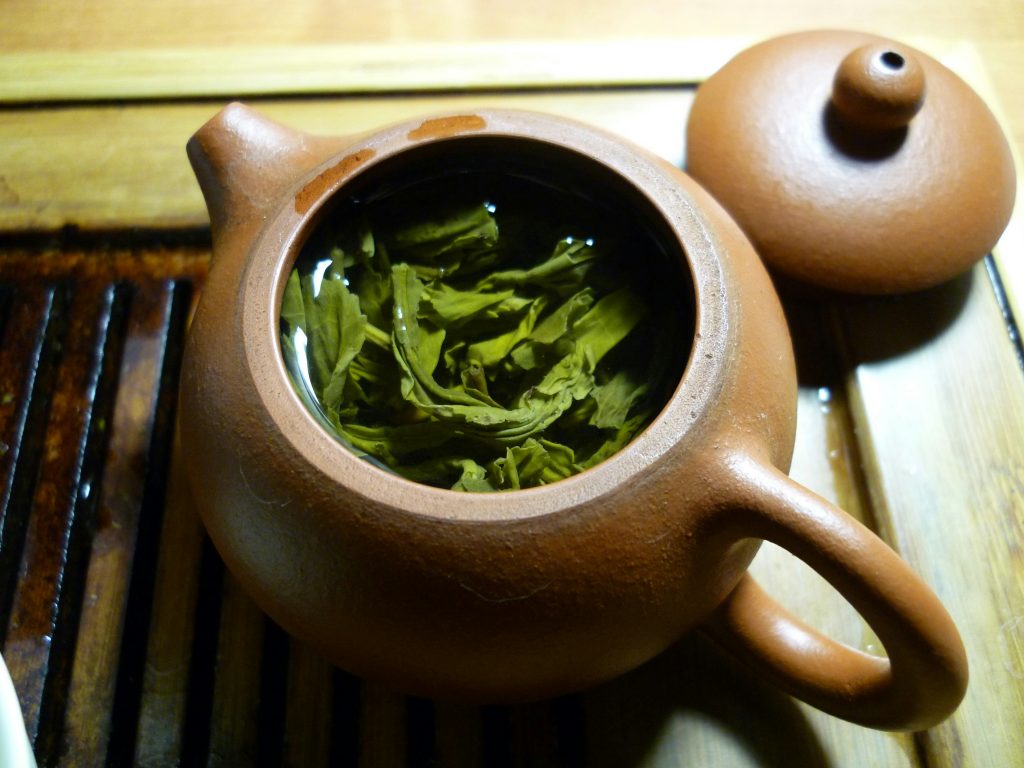
When I made tea for Thay for the first time after becoming his attendant, I was very eager to make him the absolute best cup of tea. As I poured the hot water over the new tea leaves, I wanted to pour a cup right away to offer to Thay, but he said, “Stop, let the tea sit. Everything that does sitting meditation is better. Allow the tea to sit for at least two minutes so the fragrance, the true essence of the tea, will manifest. Everything that takes time will offer its best.” Allowing all things to offer their true essence in life has since become my goal.
The mind is the base of how we create our world. We live in a culture where we like to make things more sophisticated than they should be and there is ego to that. If it sounds too simple, nobody believes it can help solve the climate emergency or contribute to world peace. There is a saying, Don’t just sit there, do something. Thay reversed that: Don’t just do something, sit there. Sitting there doesn’t mean doing nothing. Sitting there means looking deeply at the causes of our suffering. By doing so, we can start to untangle the complexity of our situation.
True engagement with the world begins not in grand gestures but in small, steady moments of presence at critical times.
When we’re not able to sit still and connect to life, we continue to add layers of complexity to our suffering. This is why the first wing of meditation is learning to pause, learning to slow down. When an animal is wounded, it knows how to stop, rest, and heal. We have this idea that by sitting still and “doing nothing,” we’re not contributing. Conversely, we think it is only by doing that we make a contribution. Sometimes, of course, this is correct, but sometimes our action is based not on an insight of healing and transformation, but on a wish to cover something up, to avoid something. This collective habit has become part of our culture.
In a world that urges constant motion, the practice of pausing—of sitting, breathing, and coming home to ourselves—is itself a radical act. It allows us to see clearly, to act with compassion rather than reactivity, and to nourish the seeds of understanding and transformation. True engagement with the world begins not in grand gestures but in small, steady moments of presence at critical times. When we touch the stillness within, we begin to touch the world with more care. From this grounded place, our actions—no matter how humble—can become part of a collective awakening. This is how we bring our practice into the world: not to escape its suffering, but to meet it with clarity, resilience, and love.
♦
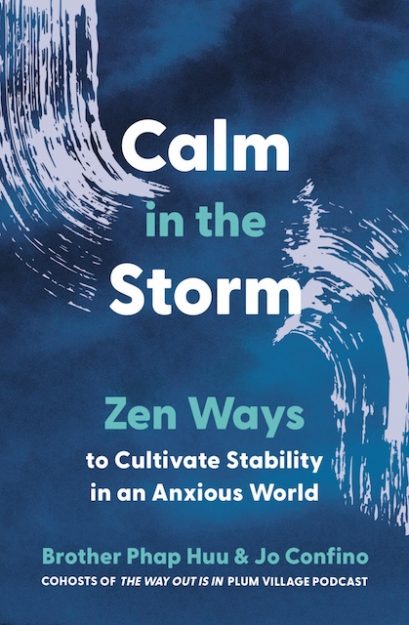
Reprinted from Calm in the Storm: Zen Ways to Cultivate Stability in an Anxious World by Brother Pháp Hữu and Jo Confino, 2025, with permission from Parallax Press.

Thank you for subscribing to Tricycle! As a nonprofit, we depend on readers like you to keep Buddhist teachings and practices widely available.