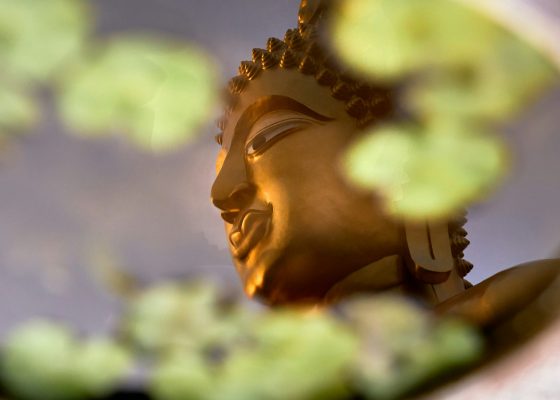
Interdependence
Interdependence in Buddhism, or dependent origination, (Sanskrit pratityasamutpada, Pali paticcasamuppada) is a core Buddhist concept that describes the interdependent nature of all phenomena. Nothing exists independently and everything is in a constant state of change. All phenomena are impermanent, including any notion of a fixed self, and exist as a result of causes and conditions. Other terms for this fundamental Buddhist principle are "dependent arising,” “conditioned origination,” “interdependent origination,” or, as Thich Nhat Hanh called it, “interbeing.”
Venerable Pannavati of Embracing-Simplicity Hermitage and Heartwood Refuge explains how fighting injustice begins with personal reflection
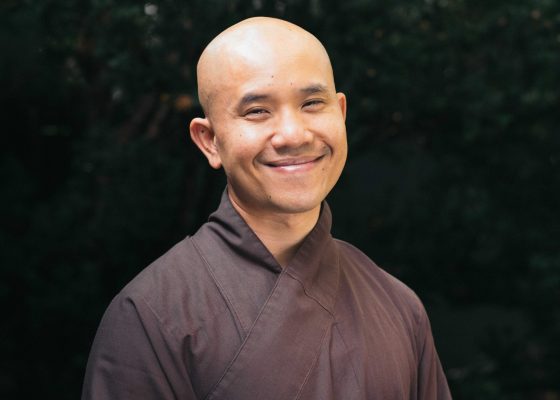
Coming Home to Ourselves
Brother Pháp Hữu discusses methods for cultivating greater stability and presence as we meet the challenges of our time.
3 Basic Laws of Nature That Can’t Be Ignored
A lama in the Kagyu and Nyingma traditions provides a timeless teaching on the relationship between the three characteristics of existence and karma.
Finding Belonging in the Body
Dharma teacher Sebene Selassie discusses why we are divided from ourselves and each other—and how we can find belonging even in the midst of conflict and contradiction.
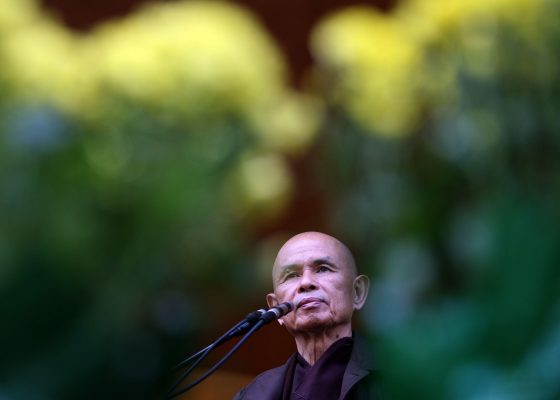
The Sun My Heart
The late Zen master on what we can learn from recognizing our interconnectedness with all life forms
Interdependence in Action
A Soto Zen teacher on using mindfulness of emotions to cultivate a positive view of dependency
Why Love What You Will Lose?
All things pass through and cannot stay.
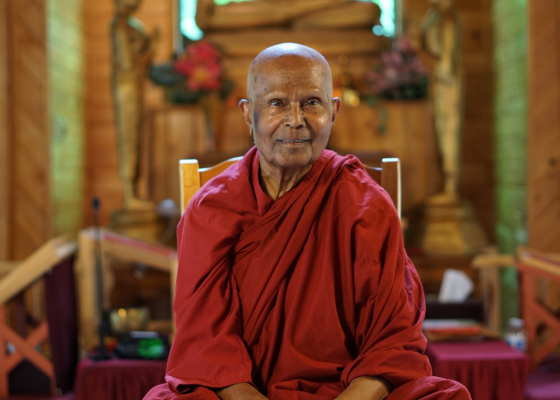
Clarifying Dependent Origination
Fresh off the 2023 Wisdom Publications release of his book Dependent Origination in Plain English, Bhante Henepola Gunaratana—known worldwide as “Bhante G”—dives into one of the Buddha’s lesser-discussed yet most essential teachings on walking the path…
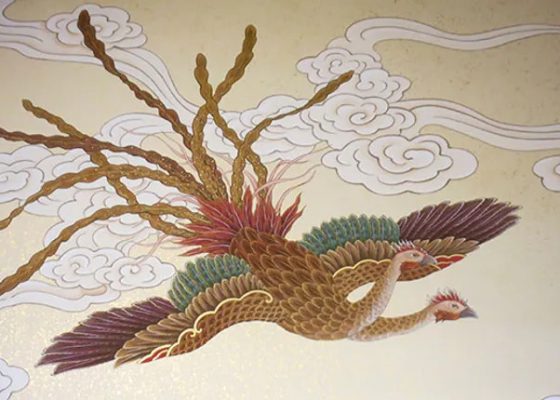
The Song of the Two-Headed Bird
A Pure Land teaching on remembering our collective destiny
Get Daily Dharma in your email
Start your day with a fresh perspective

Explore timeless teachings through modern methods.
With Stephen Batchelor, Sharon Salzberg, Andrew Olendzki, and more
See Our Courses