
What Is Buddhism?
Buddhism is one of the world’s major religions, practiced by more than 500 million people worldwide. Rooted in the teachings of the Buddha, it offers a path to understanding suffering, cultivating wisdom, and living an ethical life. Over the centuries, Buddhism has developed diverse traditions—including the three main branches of Theravada, Mahayana, and Vajrayana— yet all share core principles such as karma, mindfulness, and compassion. If you’ve ever wondered about the different types of Buddhism or the differences between these major schools, you’re in the right place. This guide provides a comprehensive introduction to Buddhism’s history, beliefs, and practices, with links to explore in more depth.
Table of Contents
- Who Was the Buddha?
- What Was the Buddha’s World Like?
- What Did the Buddha Teach?
- What Is Buddhist Cosmology?
- What Are Common Buddhist Practices?
- What Are the Buddhist Canons?
- What Is Theravada Buddhism?
- What Is Mahayana Buddhism?
- What Is Vajrayana Buddhism?
- The Spread of Buddhism
- Temples, Monasteries, and Monastics
- Buddhism’s Rich Visual Culture
Who Was the Buddha?

The historical Buddha, Siddhartha Gautama, lived about 2,600 years ago in the Gangetic Plain, near the border of modern-day India and Nepal. Born into the Shakya tribe, texts often call him Shakyamuni, “Sage of the Shakyas.”
According to legend, a wise man prophesied that Siddhartha would become either a great ruler or a renowned religious leader. His father, a wealthy and powerful leader of the Shakyas, did everything possible to ensure that his son and heir would not pursue a religious life. Siddhartha’s father shielded him from the harsh realities of the outside world and showered him with privilege and luxury. Later in life, Siddhartha described these early years as “total refinement” and being surrounded by opulence.
At age 29, dissatisfied with his privileged existence, Siddhartha ventured outside his father’s palace and encountered the realities of sickness, old age, and death for the first time. These sights deeply affected him, awakening a desire in him to understand and transcend suffering. On his final trip beyond the palace gates, he encountered a peaceful ascetic and had a revelation: The life of a wandering mendicant might offer a way out of suffering.
Leaving behind his wife, young child, and palace life, Siddhartha pursued a path of intense austerity. For six years, he practiced extreme asceticism, nearly starving himself to death, but found this path insufficient for attaining enlightenment. He then discovered the “middle way”—a balanced approach to spiritual practice that avoided indulgence and self-denial.
Siddhartha meditated under a Ficus religioso tree (later called the Bodhi tree) in Bodhgaya, vowing not to rise until he understood the nature of suffering. After a series of profound insights, he attained enlightenment and became the Buddha, “The Awakened One.” For forty-five years, he taught a path to liberation from samsara, the cycle of birth, suffering, and death.
The Buddha’s life story, enriched by centuries of retellings, remains a source of inspiration. Early texts, such as the Buddhacarita, and later works like Sir Edwin Arnold’s 19th-century classic, The Light of Asia, offer poetic versions of this narrative. While scholars debate the historical accuracy of traditional accounts, their meaning endures. Millions continue to find guidance in the Buddha as an example of wisdom, compassion, and the potential for awakening.
Learn more about the Buddha and his life.
What Was the Buddha’s World Like?
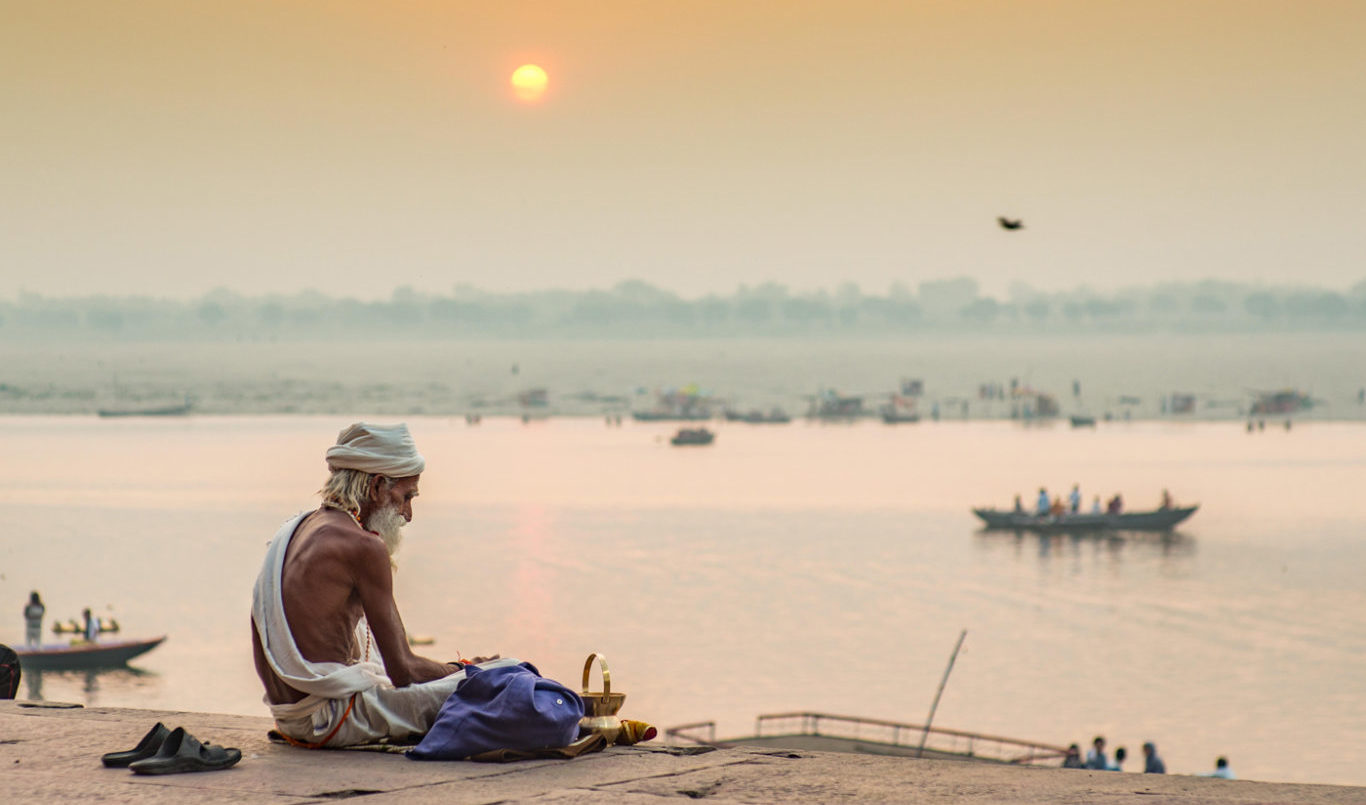
To fully appreciate the Buddha’s life and teachings, it’s essential to understand his world and the social and political transformations unfolding around him.
Born in the 5th century BCE in Lumbini, in present-day southern Nepal, Siddhartha was raised in nearby Kapilavastu, the exact location of which remains uncertain. As an adult, he lived in the ancient kingdoms of northeastern India, in the modern-day states of Bihar and Uttar Pradesh, a region marked by dense forests, wetlands, and the sacred Ganges River, which was vitally important to trade and communication. By the time of the Buddha, centuries of nomadic culture had given way to permanent settlements, agriculture, and growing trade, creating bustling towns and cities that had become hubs of commerce and cultural exchange. Brahmanism—the region’s dominant religion—emphasized ritual sacrifices, social stratification, and adherence to ancient Sanskrit vedic texts.
The life of the Buddha occurred during the so-called Axial Age, a period of widespread social, political, and intellectual innovation across the ancient world. Northeastern India witnessed the rise of kingdoms, and a powerful merchant class emerged. This class had fewer ties to traditional caste hierarchies, so it proved especially receptive to the Buddha’s teachings. The egalitarianism likely influenced Siddhartha’s rejection of Brahmanical views that spiritual liberation was restricted to higher castes. The Buddha’s inclusive teachings emphasized that anyone, regardless of status or gender, could achieve enlightenment through ethical conduct, mindfulness, and wisdom.
The Buddha’s era also saw the rise of the upanishads, texts that critiqued ritualistic Brahmanism; followers of these texts often rejected the life of a householder in favor of wandering asceticism. Renunciants, or sramanas, were found across different religious traditions, seeking liberation through meditation and austerity. These shifting social currents provided fertile ground for the Buddha’s ideas to take root and flourish. By emphasizing personal responsibility and liberation through ethical conduct, mindfulness, and wisdom, the Buddha’s teachings offered a radical alternative to the dominant religious paradigms.
Understanding the dynamic world of the Buddha provides insight into the revolutionary scope of his teachings. Although it emerged during specific historical changes and intellectual ferment, the Buddha’s message transcended its origins, offering a path to liberation that continues to inspire Buddhists today.
What Did the Buddha Teach?
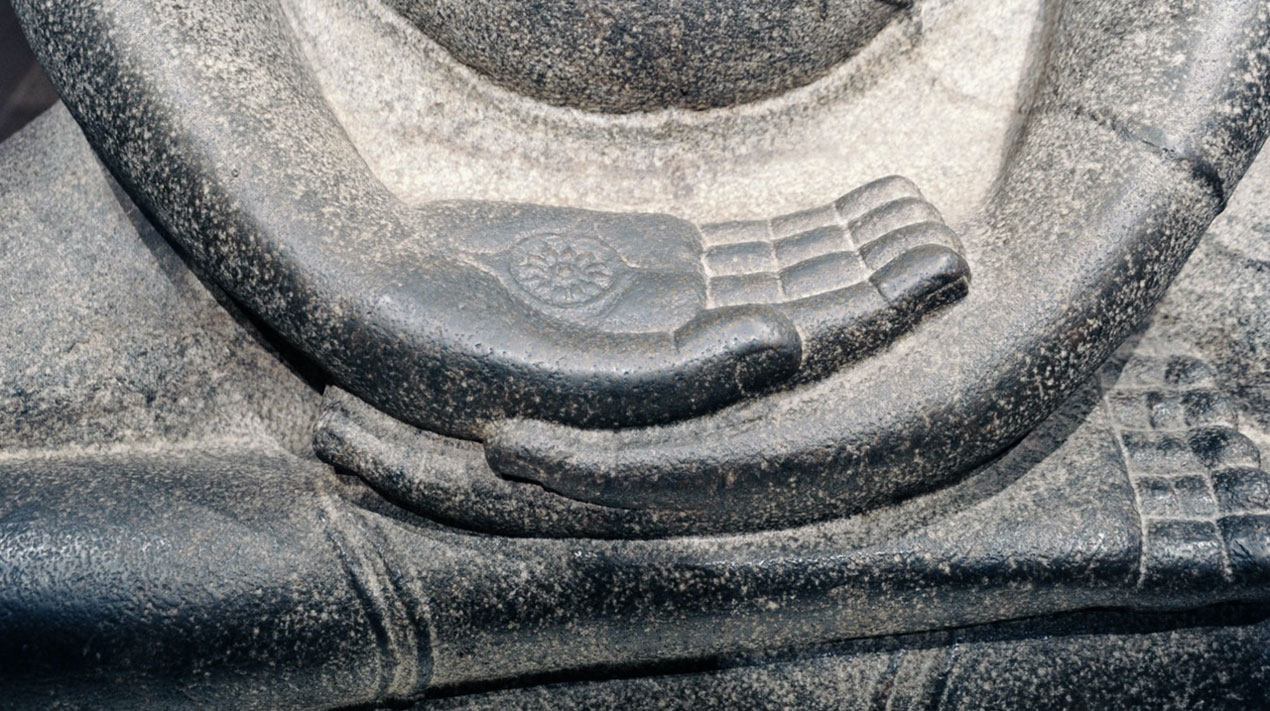
The Buddha traveled across northeastern India after his awakening, sharing the truths he had realized. He taught kings, beggars, ascetics, and householders, adapting his message to meet each listener’s needs.
At the core of his teachings were four noble truths, the insight that set him on the path to enlightenment. First, he saw that suffering (Skt. duhkha; Pali: dukkha) is fundamental to human existence—from birth to death, through sickness, loss, and change. Even joy is fleeting, bound to the pain of impermanence. The first noble truth is that suffering exists.
The second noble truth explains suffering’s cause: craving—our attachment to pleasure, resistance to pain, clinging to what we love, and aversion to what we hate. These desires bind us to the endless cycle of birth, death, and rebirth.
But the Buddha did not stop there. He taught that suffering has an end, the third noble truth. There is a path to liberation, and he laid it out in the fourth noble truth—the eightfold path. This practical guide to awakening is structured around ethical conduct, mental discipline, and the cultivation of wisdom. The Buddha himself embodied what he called the middle way, avoiding both self-indulgence and extreme asceticism in his pursuit of enlightenment.
Another key teaching is dependent origination (Skt.: pratityasamutpada). The Buddha taught that all things arise in dependence upon causes and conditions. Suffering doesn’t exist independently—it is caused by craving, ignorance, and clinging, which arise from factors shaped by karma. By understanding this chain of causation, we can break the cycle of suffering and rebirth. Many consider the Buddha’s insight into dependent origination the core of his enlightenment.
The Buddha was familiar with the vedic, sramanic, and Jain traditions of his time, but his teachings differed significantly. He discouraged blind faith, urging his followers to test his teachings through personal experience rather than accept them on authority alone. He also avoided abstract speculation, focusing instead on what would lead to freedom from suffering and true happiness.
Learn more about the Buddha’s teachings.
What Is Buddhist Cosmology?

Buddhism offers a complete worldview, or cosmology—together with fundamental questions about purpose, morality, and existence—as a way to understand our place in a vast, complex universe. The Buddha’s teachings differed from those found in other groups of his time, but they shared a similar cosmology that emphasized karma, rebirth, and a multitude of possible lifeworlds.
At the heart of Buddhist cosmology are three key ideas: karma, the six paths of rebirth, and Mount Meru, the cosmic center of the universe. The concept of karma—the law of moral cause and effect—shapes this worldview. Our actions influence our present lives and our future rebirths. This belief is closely tied to the six paths of rebirth, the different states into which beings are born based on their accumulated karma. The Buddhist understanding of karma emphasized intention more than other renunciant traditions.
These six paths include gods, demigods, humans, animals, hungry ghosts, and hell-beings. Though often depicted as a hierarchy, the six paths are fluid, with beings cycling through them based on their actions. The gods (Skt.: devas) enjoy pleasure and long life but are often too distracted to seek enlightenment. Demigods (asuras) exist in a state of jealousy and conflict. The human realm is considered the most fortunate because it offers the best opportunity for awakening. The lower paths—animals, ghosts, and hell-beings—are marked by suffering and ignorance, making liberation difficult.
Yet no path is permanent. Even the gods are subject to karma and rebirth. Buddhist practice aims to escape this endless cycle of samsara and attain liberation from the suffering that comes with it. Whether interpreted literally, metaphorically, or psychologically, these realms serve as a framework for understanding life’s impermanence and the consequences of our actions.
Although not discussed much in Western Buddhism, Mount Meru was central to ancient Buddhist cosmology. It is a cosmic mountain surrounded by oceans, continents, and celestial realms that serves as the axis of our world. In Buddhist mythology and artwork, it represents the structure of existence, symbolizes spiritual ascent, and is where the heavens, hells, and earth of the six paths of rebirth converge.
For Buddhists, karma and rebirth are not abstract philosophies but practical guides to help orient our lives and actions in our complex universe. Understanding karma encourages ethical choices, and reflecting on the six paths reminds us that everything, even suffering, is impermanent. Whether viewed as a cosmic truth or a metaphor for human experience, Buddhist cosmology challenges us to see beyond the ordinary and contemplate our existence.
What Are Common Buddhist Practices?
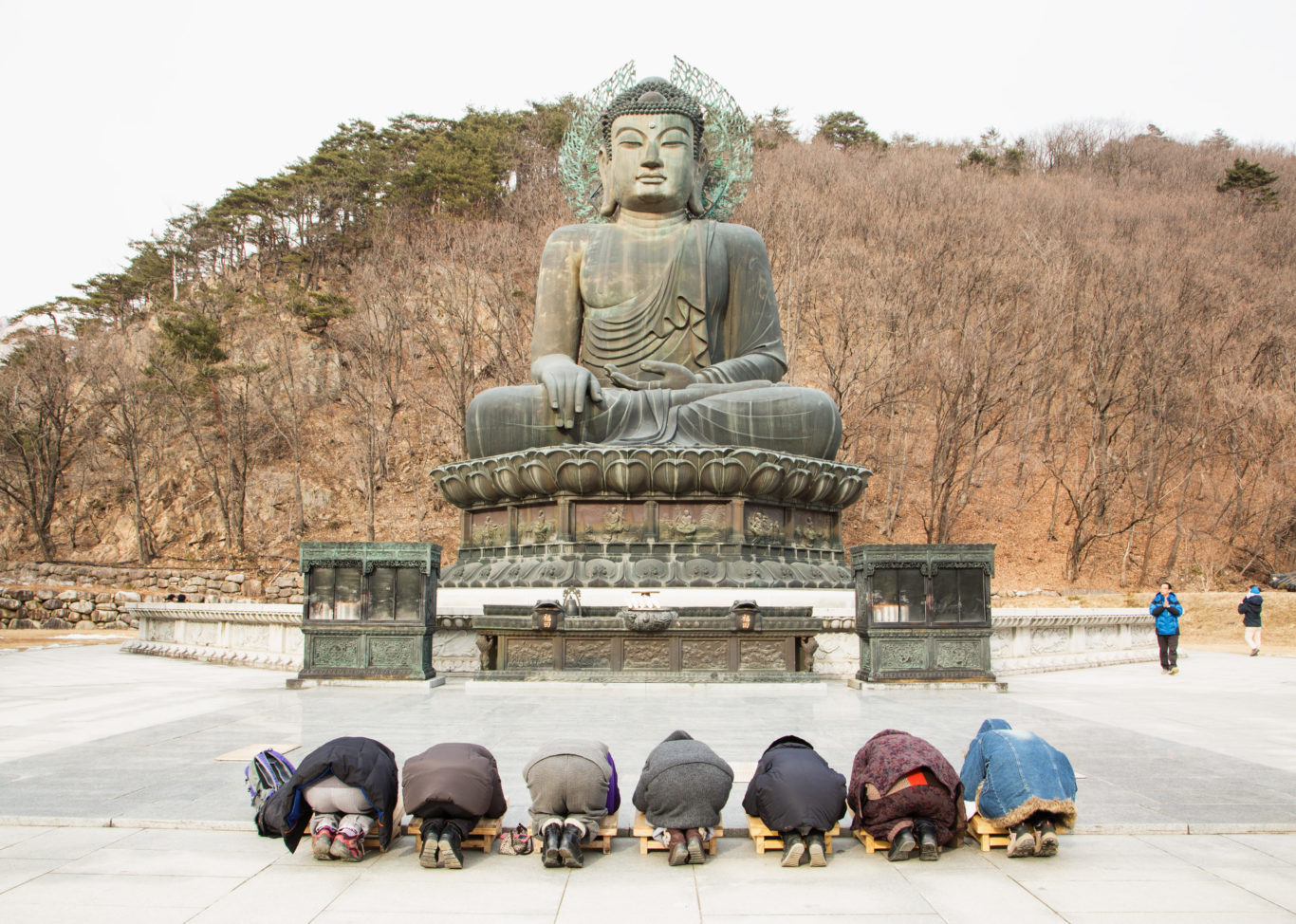
For those unfamiliar with Buddhism beyond movies, books, or the internet, the Buddhist world might appear mysterious—often reduced to images of monks meditating in temples or towering Buddha statues. But beyond these depictions lies a wide range of beliefs and practices.
The eightfold path is at the heart of Buddhist practice. It provides ethical and mental training through right speech, right action, and right livelihood, among other principles. Many Buddhists also cultivate the four divine virtues—loving-kindness, compassion, empathetic joy, and equanimity—to develop an awakened and compassionate mind.
Buddhists follow ethical precepts to stay on the eightfold path. While monks and nuns observe many precepts, lay practitioners typically follow five: refraining from harming living beings, stealing, sexual misconduct, false speech, and intoxicants. These are not commandments but personal commitments to integrity. Some transgressions, especially among monastics, may result in expulsion from the community.
Beyond ethics, rituals and ceremonies are central to Buddhist life. These may include offerings to the Buddha, chanting scriptures, and participating in festivals celebrating the Buddha’s birth, enlightenment, and death. Some cultures also hold rituals to appease hungry ghosts—wandering spirits believed to suffer from unfulfilled cravings.
The sangha, or Buddhist community, plays a vital role in practice. Being part of a sangha provides guidance and support. Many Buddhists engage in social service and charity, embodying the core virtue of compassion. In Theravada countries, supporting monks and nuns is an important way to gain merit for a better future rebirth.
Pilgrimage is another long-standing tradition. Devoted practitioners visit sacred sites such as Bodhgaya, where the Buddha attained enlightenment, or Sarnath, where he gave his first teachings. These journeys offer renewed faith and inspire daily life.
Buddhism is also a tradition of learning. It has one of the largest collections of scriptures in the world, and topics range from the Buddha’s past lives to complex philosophical treatises. Buddhists are encouraged to study, reflect, and practice; even copying sacred texts is considered meritorious.
When people think about Buddhism, meditation is often the first thing that comes to mind. For most Buddhists, however, practice extends beyond sitting in silence. Daily life itself is a practice—living ethically, cultivating wisdom, and treating others with kindness.
Learn more about the Buddhist community.
What Are the Buddhist Canons?
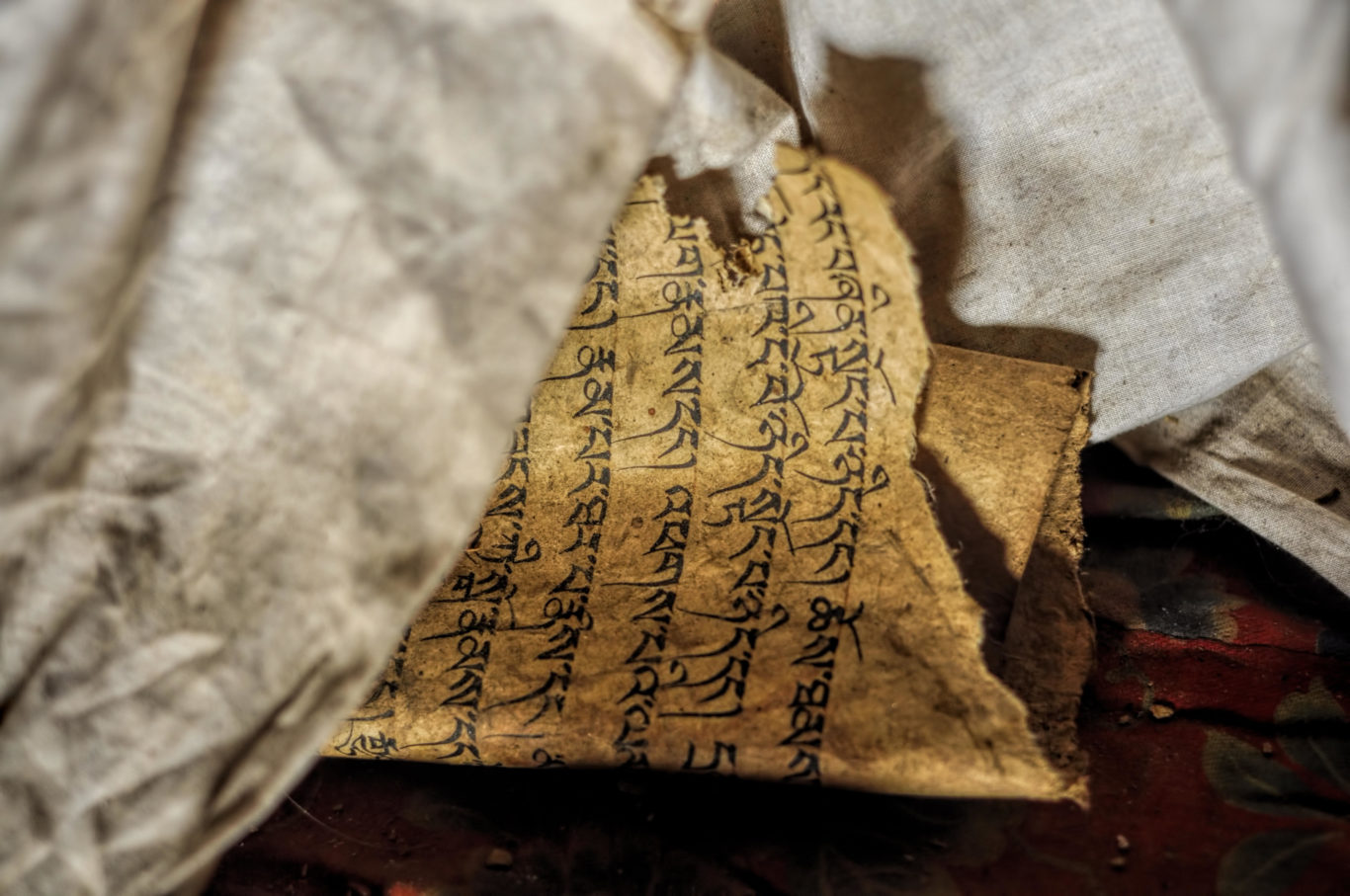
Unlike many major religions, Buddhism has no single sacred text or “bible.” Instead, it has several canons (collections of foundational texts) that vary by tradition. These canons include the Buddha’s teachings and later commentaries. Originally passed down orally, the Buddha’s words were first written down centuries after his death. While scholars generally agree that all Buddhist scriptures are translations of teachings first passed down orally, many Buddhists believe the Buddha himself spoke the words preserved in their traditions.
After the Buddha died, debates arose over which teachings constituted authentic buddhavacana, or “the word of the Buddha.” As Buddhism evolved, different traditions embraced distinct collections of texts, often shaped by cultural and historical factors. Many early canons survive only as fragments or through references in other works. However, three remain intact: the Pali, Chinese, and Tibetan canons.
Theravada Buddhists follow the Pali canon, the Tipitaka, or “three baskets.” It includes the suttas (discourses of the Buddha and his disciples), the vinaya (monastic rules), and the abhidhamma (later philosophical commentaries). Scholars generally date the suttas (Skt.: sutras) and vinaya to about the 1st century BCE, with abhidhamma texts appearing in the 1st to 5th centuries CE. The oldest extant fragments of the Pali canon are from around the 5th century CE.
The Chinese canon, used by East Asian Buddhists, includes translations of early Buddhist scriptures and later Mahayana sutras, tantric texts, and indigenous Chinese writings. Many of these scriptures were translated from Sanskrit and Central Asian languages into Classical Chinese between the 1st century BCE and 5th century CE. Different versions of this canon exist, and the oldest and most complete are of Chinese and Korean origins.
Himalayan Buddhist traditions generally use the Tibetan canon, which is divided into the Kangyur (the words of Buddha) and the Tengyur (Indian and Tibetan commentaries). This canon includes a wealth of Mahayana sutras, tantric texts, and scriptures unique to Tibetan Buddhism. Translations into Tibetan began in the 7th century CE, and by the 14th century, the canon had reached its present form.
Faced with the vastness of Buddhist scripture, who wouldn’t wish for a single “Buddhist bible”? But this variety demonstrates how the living traditions of Buddhism offer numerous perspectives on the shared goal of enlightenment and liberation from suffering.
What Is Theravada Buddhism?
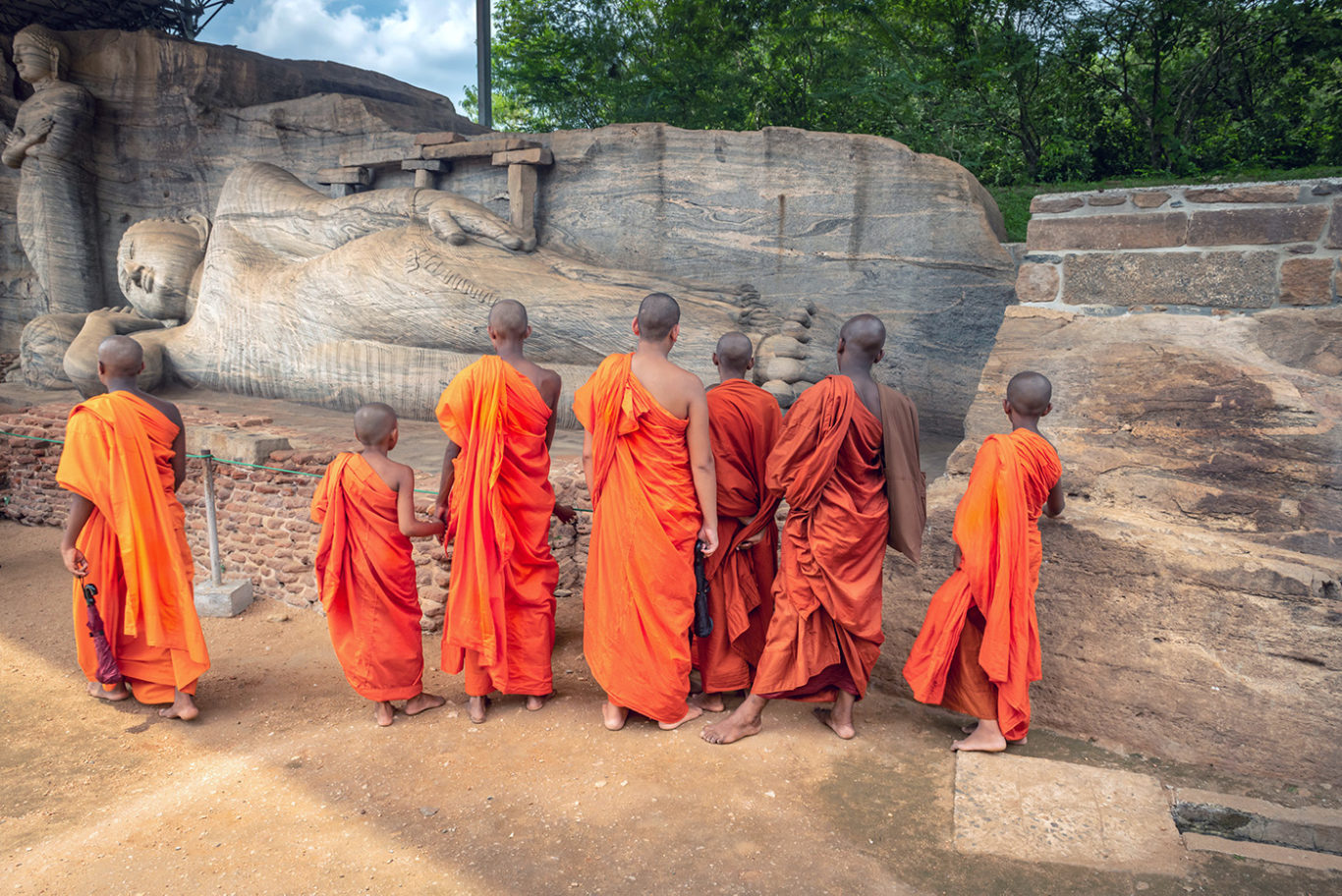
Theravada Buddhism is one of the oldest surviving Buddhist traditions, emerging from the early Buddhist school known as the Vibhajjavada, one of many early traditions. When the Buddha died in the 5th century BCE, he left no formal successor or organizational structure behind. Over time, the Buddhist community diversified into different schools of thought, each interpreting the Buddha’s teachings in its own way and following its own canon. By the 3rd century BCE, the Vibhajjavada school had taken root in Sri Lanka, forming the foundation of modern Theravada Buddhism.
Theravada remains the dominant form of Buddhism in Sri Lanka, Myanmar, Thailand, Cambodia, and Laos. Similar to most Buddhist traditions, it focuses on core Buddhist principles, including the four noble truths and the eightfold path, as well as meditation practices like samatha (calm abiding) and vipassana (insight). The tradition strongly emphasizes personal effort and ethical conduct as the means to liberation from suffering.
Although the Buddha set ethical guidelines for lay practitioners, Theravada was historically a monastic tradition, emphasizing renunciation and self-purification. The religious ideal was to become an arhat (Pali: arahant), or “accomplished one,” who achieves nirvana—liberation from the cycle of birth and rebirth that marks worldly life. While lay practitioners could reach the initial stages of awakening, the tradition considered the disciplined life of a monastic essential for attaining complete enlightenment. The Theravada female monastic lineage died out many centuries ago, and although a lineage was reestablished in 2006 in Sri Lanka, women still face many challenges in receiving full ordination.
In the 1970s, Theravada gained popularity when Americans who had studied under vipassana (insight meditation) instructors and Thai forest masters in Asia returned home to teach meditation. The teachings of Satya Narayana Goenka, Dipa Ma, Sayadaw U Pandita, Mahasi Sayadaw U Sobhana, Anagarika Shri Munindra, Ajahn Lee Dhammadharo, among others, had a significant impact on Western Buddhism. Numerous monastic and lay meditation teachers in the West trace their lineage to these eminent Theravada masters. Theravada’s emphasis on disciplined practice, ethical living, and personal insight has preserved its historical roots while allowing it to flourish in diverse cultural contexts.
Learn more about Theravada Buddhism.
What Is Mahayana Buddhism?
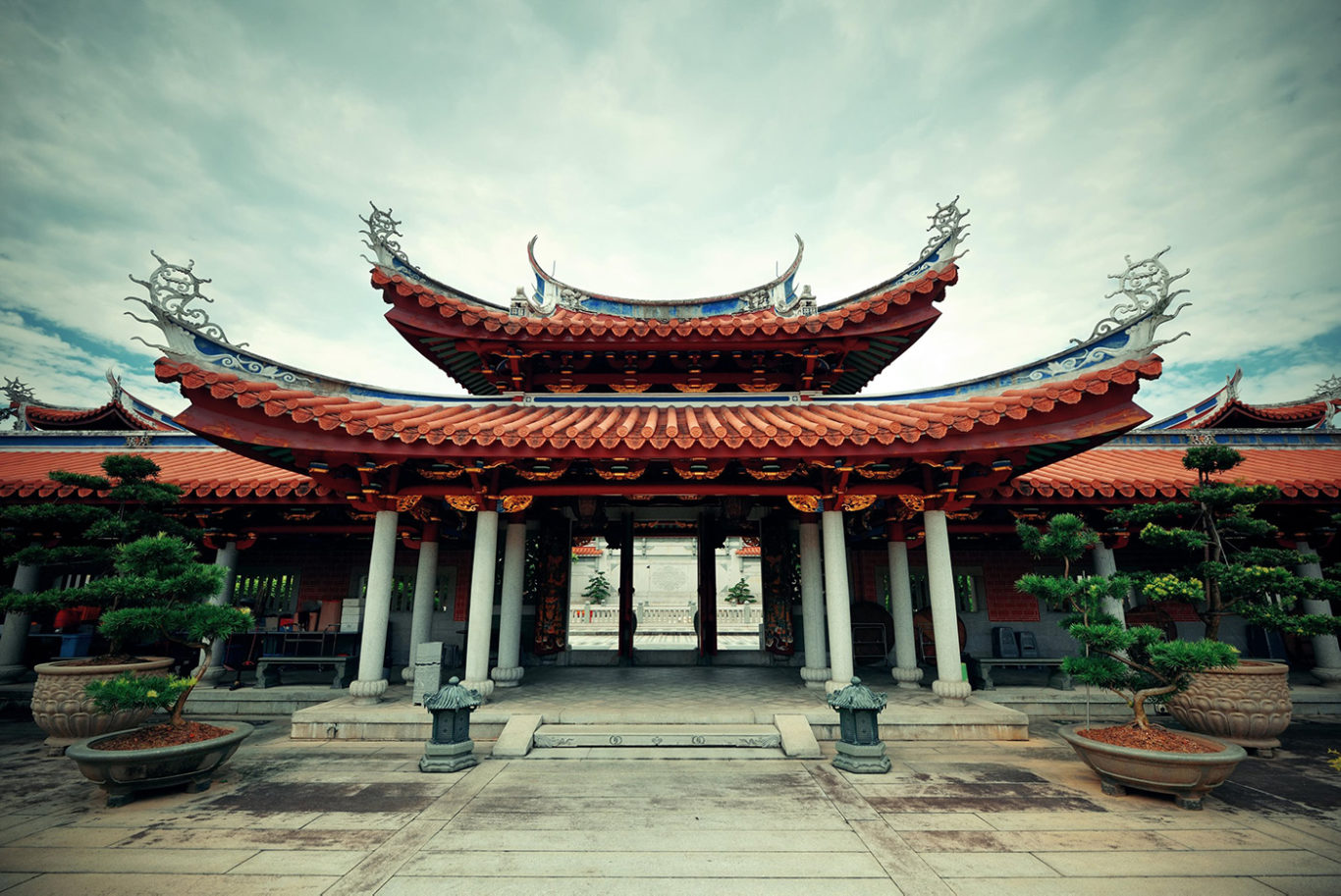
Mahayana (literally “great vehicle”) is a diverse group of Buddhist traditions far larger than Theravada and Vajrayana. Though its origins are not precisely known, scholars believe it was well-established by the 1st century BCE and existed side by side with the early Buddhist schools before becoming a separate tradition.
Mahayana teachings include foundational principles such as the four noble truths and the eightfold path, alongside ethical precepts and meditation practices. However, Mahayana also has numerous additional scriptures, preserved in Central and East Asian canons, that are held to represent the Buddha’s teachings. Many of these texts were originally written in Sanskrit and translated into languages like Chinese and Tibetan. Particularly associated with Mahayana is the teaching of emptiness, or sunyata, the understanding that everything—including ourselves—is empty of inherent existence and arises interdependently. The Heart Sutra is an especially famous teaching about emptiness; it is chanted daily by many Mahayana practitioners and is popular among Western Buddhists.
While individual awakening—the path of the arhat—is the aim for most Theravadins, the Mahayana ideal is the bodhisattva. This being is motivated by bodhicitta, the desire to awaken to help all beings attain enlightenment. Mahayana teachings emphasize our already-awakened buddha-nature, which is present in all beings, and that by perfecting the qualities of a buddha, a practitioner can achieve awakening within a single lifetime. The Mahayana has a great pantheon of buddhas, bodhisattvas, and enlightened beings who can be called on for support to aid believers on their path to becoming a bodhisattva.
As Mahayana spread along trade routes from Central Asia to East Asia, it branched into numerous schools. Chan and Zen, two of the most prominent schools, emphasize direct experience and meditation, and the influential Pure Land traditions focus on devotion to various buddhas for rebirth in their presence. Other traditions, such as Nichiren Buddhism in Japan, center on specific Mahayana sutras, like the Lotus Sutra. Through Nichiren, we get the Soka Gakkai tradition, one of the world’s largest and most diverse lay traditions, attracting famous Westerners such as Tina Turner, Wayne Shorter, and Herbie Hancock.
Learn more about Mahayana Buddhism.
What Is Vajrayana Buddhism?

Vajrayana Buddhism, also known as Tantric or Esoteric Buddhism, sprouted from Mahayana teachings, but its tradition of secretive teachings and ritual complexity often sets it apart as a distinct path. Along with Theravada and Mahayana, tradition has long regarded it as one of Buddhism’s three major paths. Vajrayana originated in northern India around the 7th century CE, spread across the Himalayan region and beyond, and was particularly influential in Tibet from the late 10th century onward. While commonly associated with Tibetan Buddhism, Vajrayana traditions are also found in Mongolia, Japan, and other parts of Central and East Asia, where they have influenced local Buddhist practices.
The name Vajrayana, meaning “diamond” or “thunderbolt vehicle,” reflects its belief in powerful and direct methods for awakening, and its proponents hold that it includes the Buddha’s most advanced and hidden wisdom. Vajrayana builds on core Buddhist teachings, such as the four noble truths and the bodhisattva ideal, but it also incorporates practices such as deity visualization, sacred hand gestures (mudras), and complex rituals meant to accelerate enlightenment.
Teachers often keep Vajrayana teachings secret to preserve their sanctity and ensure correct practice. Progression in Vajrayana depends on the completion of preliminary practices and the teacher’s judgment, with students moving forward only when they’ve demonstrated understanding and readiness. Teachers grant students permission to engage in advanced practices from their teachers, often through ceremonies known as empowerments.
Vajrayana’s visual culture is striking, featuring elaborate paintings, intricate mandalas, and ritual objects, some made from human bones. Its art sometimes depicts deities in frightening and wrathful forms. Practitioners see these images as sacred, not simply artistic representations, and treat them with reverence.
As Vajrayana spread, it absorbed elements from different cultures. In Tibet, existing rituals incorporated tantric imagery and deities. Buddhism in Central Asia took on influences from Persian and Islamic culture, while in Japan, it developed unique characteristics within the Shingon and Tendai schools, leaving a lasting mark on Japanese Buddhist traditions and visual culture.
In the 20th century, teachers such as the Dalai Lama and Chögyam Trungpa introduced Vajrayana philosophy and practices to the West, which continues to draw people from a wide range of backgrounds interested in its approach to awakening.
Learn more about Vajrayana Buddhism.
The Spread of Buddhism
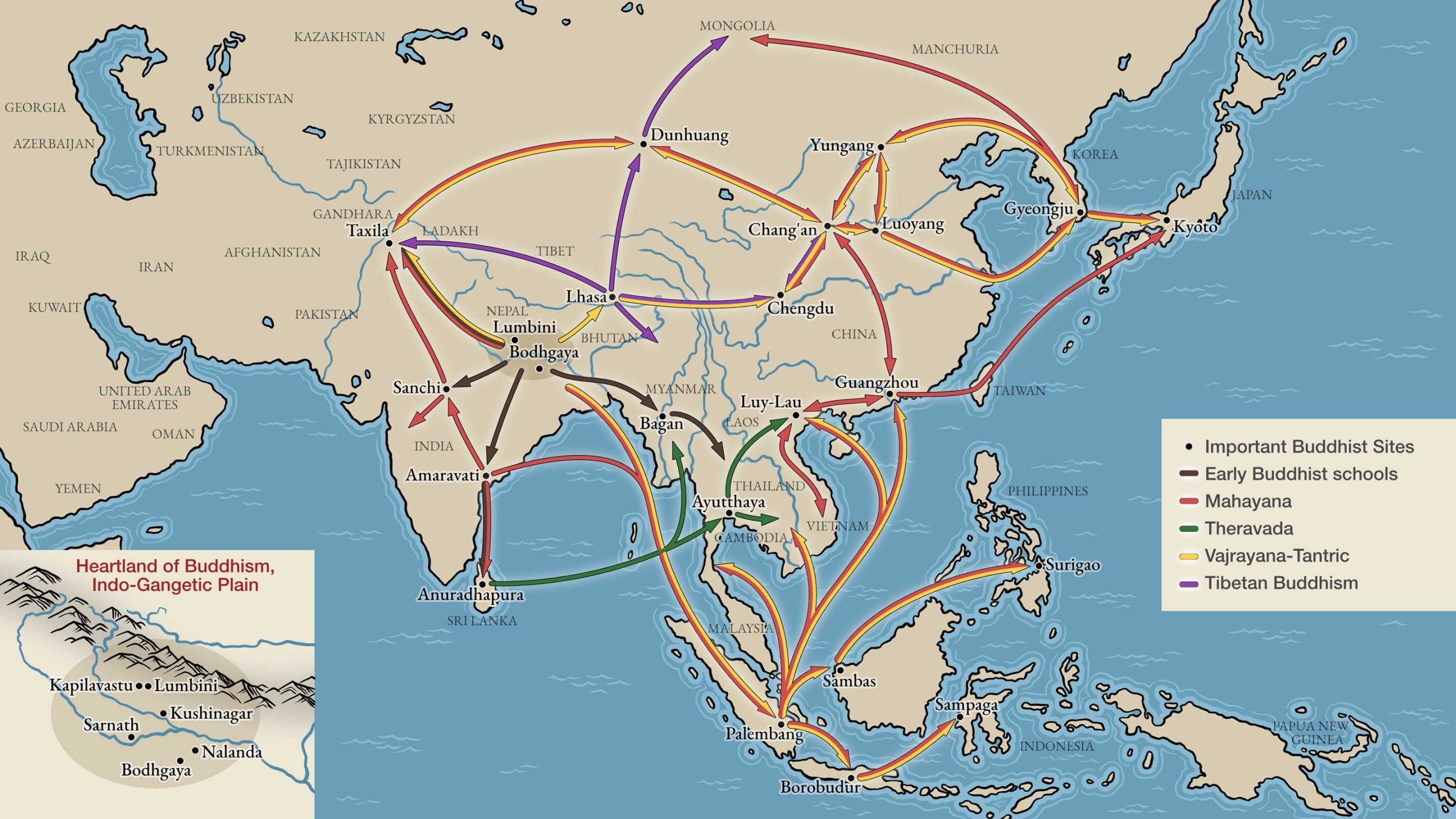
Once the Buddha established his monastic order, his wandering mendicants traveled widely throughout the Gangetic region. Initially, monastics moved between villages, offering teachings in exchange for alms. Buddhist monastic communities eventually became settled in large institutions. Over time, Buddhist teachings spread far and wide, transforming into a global tradition.
A pivotal moment in Buddhism’s spread occurred during the reign of Emperor Ashoka in the 3rd century BCE. As the story goes, after a period of violent conquest, Ashoka embraced Buddhism and made it a cornerstone of his empire. He sent missionaries to distant regions, including modern-day Sri Lanka, Afghanistan, and Southeast Asia. Ashoka also built stupas—monuments housing sacred relics of the Buddha—and inscribed edicts promoting his version of Buddhist principles across his vast domain.
Trade routes played a crucial role in the further spread of Buddhism. Merchants and monastics carried Buddhist teachings and practices across Central, South, and East Asia. By the 2nd century BCE, Buddhism was well established in Gandhara (modern-day Pakistan and Afghanistan), spreading westward into Persia (Iran) and into parts of modern-day Turkmenistan, Kyrgyzstan, and Uzbekistan. Gandhara became a center for Buddhist art and culture, and its artisans produced some of the earliest known depictions of the Buddha, blending Indian and Greco-Roman influences. Buddhism thrived there until the 7th century CE, when Islamic influence grew in the region.
Buddhism reached East Asia via the Central-Asian Silk Road during the 2nd century BCE. Early translations of Buddhist texts helped spread its adoption, and by the 4th century CE, East Asian pilgrims were traveling to South Asia to study its teachings. With its focus on universal enlightenment, Mahayana Buddhism gained significant traction and developed schools like Pure Land and Chan (Zen). After its first landing in China, Buddhism quickly spread to Korea, Japan, Vietnam, and Indonesia over the following centuries.
The southern spread of Buddhism primarily followed maritime trade routes. By the 11th century, Theravada Buddhism had become the dominant form of Buddhism in Sri Lanka, spreading to Myanmar, Thailand, Cambodia, and Laos, where it remains the prevailing tradition.
During the 7th–12th centuries, Indian Buddhism developed widely in Tibet, combining with indigenous traditions to create a distinct Vajrayana lineage. Tibetan Buddhism’s practices and philosophy later spread to Mongolia and Central Asia.
Asian immigrants brought Buddhism to Europe and North America in the late 18th and early 19th centuries. Eventually, Buddhist centers were established in South America as well. Scholars in European colonies in Asia began producing translations of Buddhist texts, which drew the attention of Western intellectuals and philosophers. Initially, most Buddhist teachers in the West were from Asia, but as more Westerners studied Buddhism in Asia and returned to teach, the balance shifted.
Learn more about the history and spread of Buddhism.
Temples, Monasteries, and Monastics
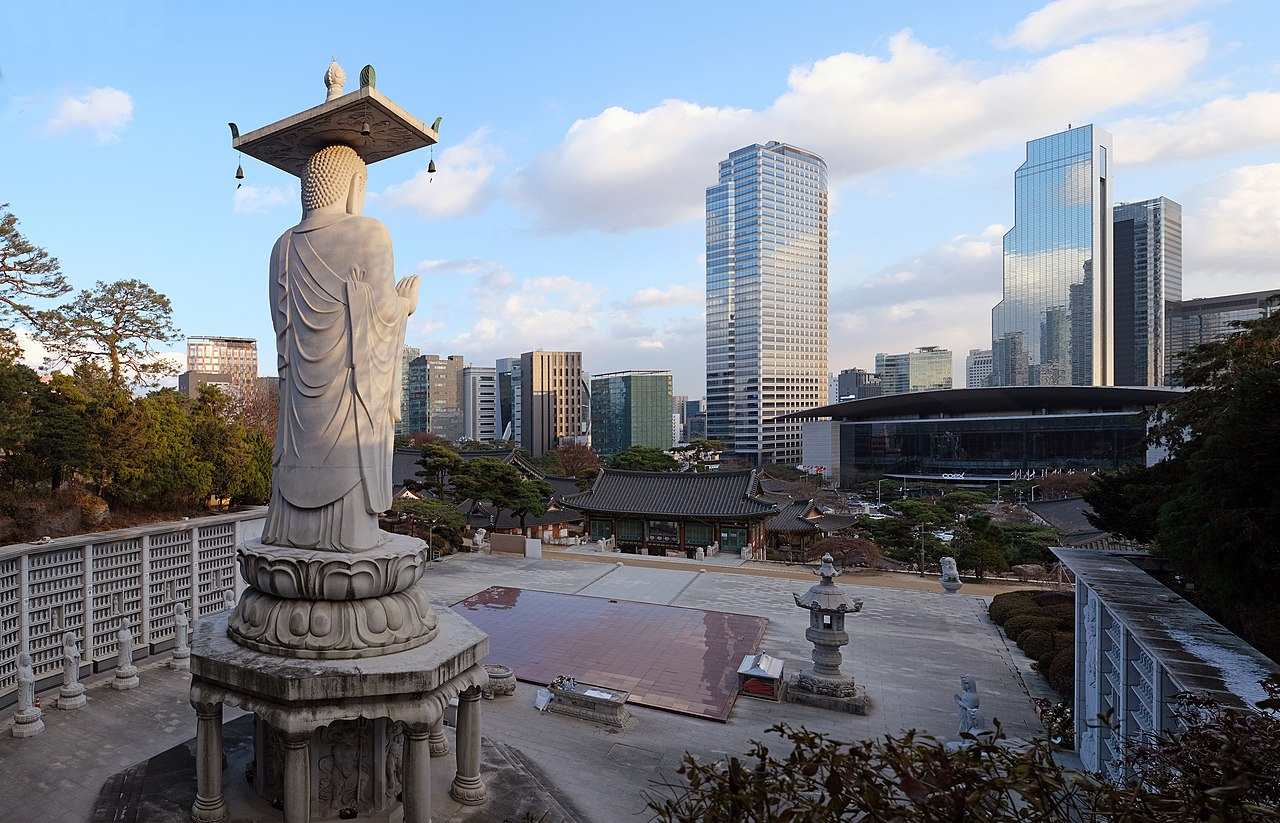
Temples, monasteries, and monastics are important parts of Buddhist religious life, each playing a role in passing down the Buddha’s teachings. Temples are sacred spaces where people gather to worship, meditate, and show their respect to images of the Buddha, bodhisattvas, and other revered figures. Monasteries, meanwhile, are places of deeper study and meditation, where monastics dedicate themselves to Buddhist practice.
Buddhist temples range from small village shrines to grand architectural complexes. Many feature a main hall for rituals and meditation as well as pagodas, or stupas, that enshrine relics. Temple grounds may also feature shrines to local deities, showing how Buddhism has blended with different cultural traditions over time. In countries with long Buddhist histories, temples serve as religious centers and cultural landmarks, drawing worshippers and travelers alike.
Historically, monasteries have been vital in preserving Buddhist teachings. They have served as places for meditation and education, where monastics copy, translate, and study scriptures, philosophy, and ethics. Nalanda, one of ancient India’s most renowned Buddhist universities, attracted students from all over Asia. Today, monasteries continue to provide spaces for study and retreat, though their role has evolved. In the West, lay retreat centers offer similar opportunities for meditation and training outside of monastic life.
The community of monks and nuns has long depended on lay supporters for food and daily needs, while lay practitioners, in return, receive teachings and guidance. This relationship remains especially strong in Theravada Buddhist countries, where monastics are deeply involved in their communities.
Although traditionally male-led, Buddhist communities have seen a resurgence of female monastics, especially in Mahayana traditions. In the West, women have taken on leadership roles in Buddhist communities, challenging long-held traditions. Even as Buddhism evolves, temples, monasteries, and monastics remain central to the practice, offering spaces where communities can come together to study, reflect, and deepen their faith.
Learn more about the Buddhist community.
Buddhism’s Rich Visual Culture
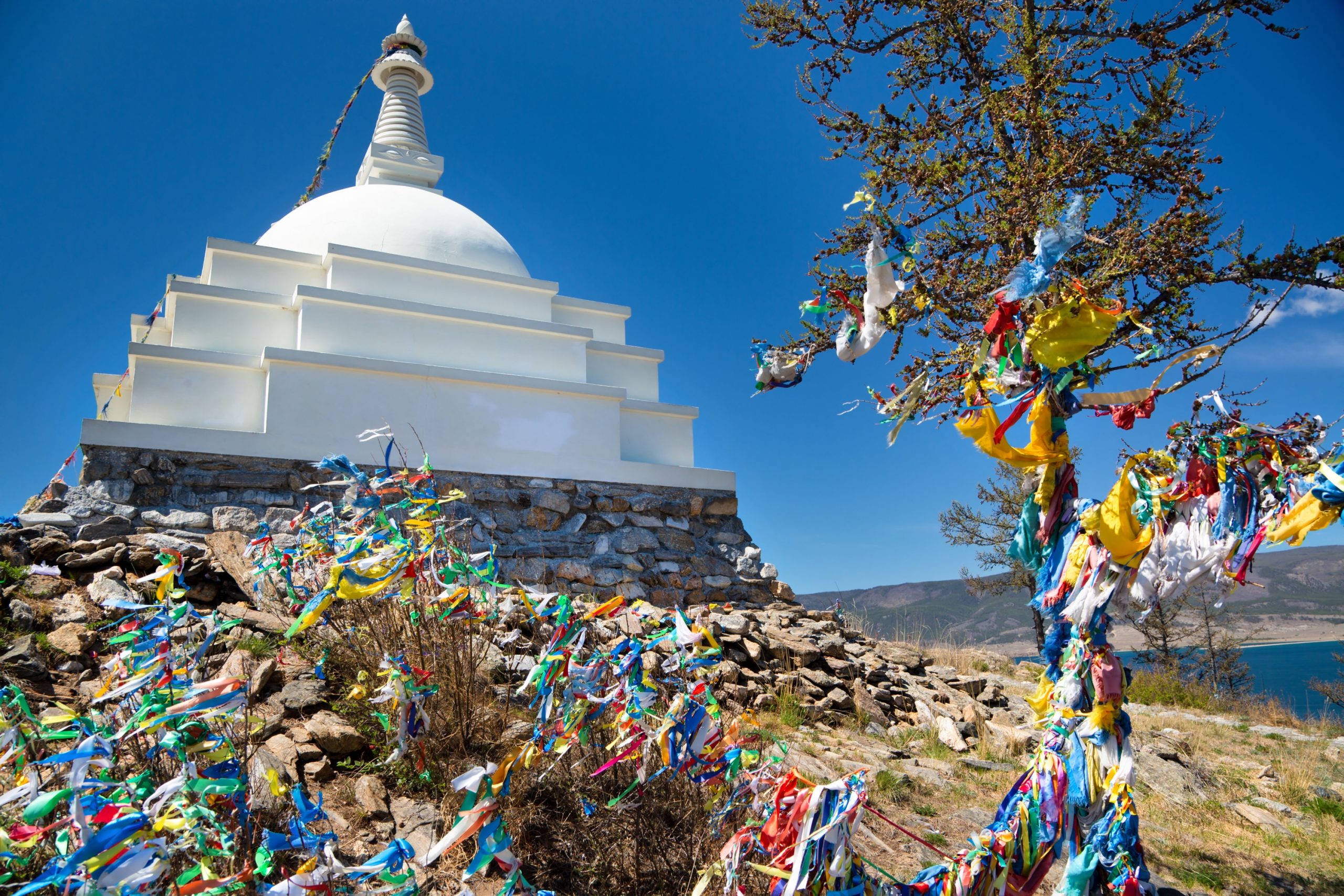
Stupas, relics, and Buddhist art are among the most recognizable elements of Buddhist visual culture. For many newcomers, these sacred sites and objects are their first encounter with Buddhism—whether visiting a temple, seeing a statue, or watching a movie—and often raise questions about their significance. Together, they offer a tangible connection to the teachings, history, and presence of the Buddha and other Buddhist figures.
A stupa is a religious structure that houses sacred relics, often believed to be the remains or belongings of the Buddha or enlightened beings. Originally simple earthen mounds, stupas evolved into elaborate architectural wonders, like the Great Stupa at Sanchi and Borobudur in Indonesia. Each element of a stupa carries symbolic meaning, and circumambulating it—walking around it in a meditative, clockwise path—is a common form of Buddhist devotion. Stupas and pagodas are one of the most recognizable visual elements of Buddhist culture.
Relics, often enshrined within stupas, are regarded as sources of spiritual power. These may include ashes, bones, or objects associated with great teachers. One of the most revered relics is the Buddha’s tooth, housed at Sri Dalada Maligawa, the Temple of the Sacred Tooth, in Sri Lanka. Pilgrims visit relic sites to make offerings, seek blessings, and strengthen their faith.
Buddhist art, too, plays a vital role in practice. From intricate paintings and statues to sacred texts and ritual objects, Buddhist artistic traditions span cultures and centuries—the earliest Buddhist art adorned stupas, depicting scenes from the Buddha’s life and past lives. In many traditions, sacred images are not just representations but embodiments of enlightenment itself. In Tibetan Buddhism, for example, thangkas (scroll paintings) act as meditation aids, while mandalas serve as geometric representations of sacred cosmologies.
Historical sites and sacred artworks are more than artifacts; they remain deeply embedded in modern Buddhists’ lives. Whether worshiping at a centuries-old stupa, offering prayers before a relic, or meditating on an image of the Buddha, practitioners engage with a vibrant visual culture as part of their spiritual journey, bridging the material and the transcendent.
Learn more about Buddhism’s rich visual culture in the Tricycle columns on Sacred Sites, What’s in a Painting, and What’s in a Symbol.
Buddhism for Beginners is a free resource from the Tricycle Foundation, created for those new to Buddhism. Made possible by the generous support of the Tricycle community, this offering presents the vast world of Buddhist thought, practice, and history in an accessible manner—fulfilling our mission to make the Buddha’s teachings widely available. We value your feedback! Share your thoughts with us at feedback@tricycle.org.