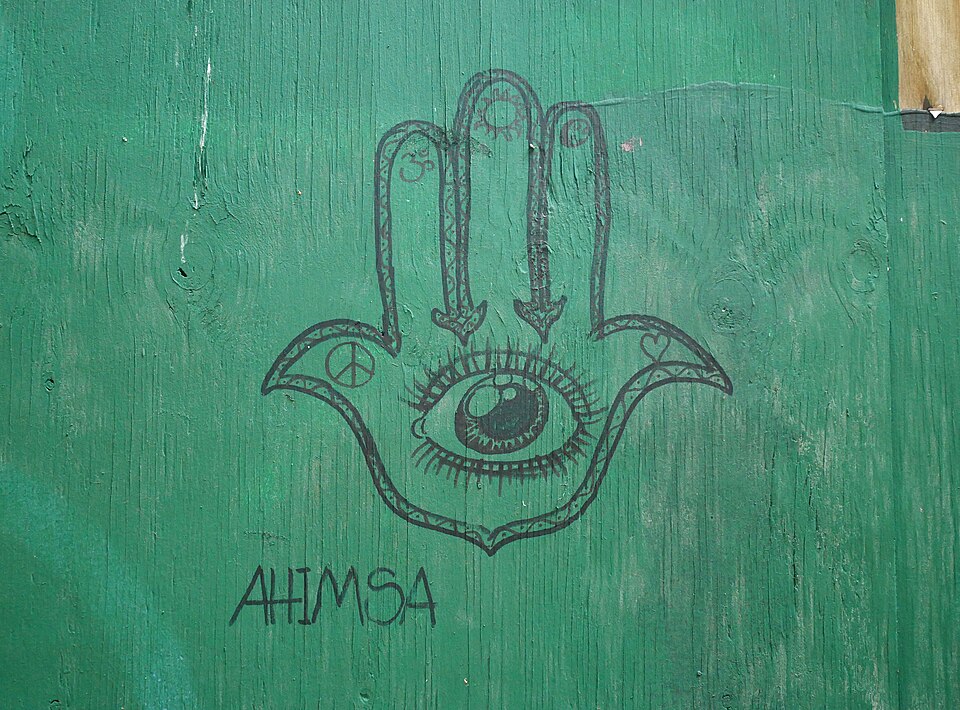
Modern Buddhism
You don’t have to go to a temple or retreat center to encounter Buddhist teachings today. In recent decades, Buddhist practices have gained a foothold in hospitals, schools, and workplaces. As antidotes to stress, anxiety, and societal strain, mindfulness and meditation have been especially influential in modern psychology and mental health care. From its ancient origins to its digital presence in the 21st century, Buddhism has taken many forms. Along the way, it has been reshaped by new cultures, technologies, and global concerns, raising fresh questions about what it means to practice Buddhism in the modern world.
Table of contents
- Roots of Modern Buddhism
- Buddhism and Colonialism
- Buddhism Meets Science
- Engaged Buddhism and Social Justice Movements
- Secular Buddhism
- Mindfulness and Western Psychology
- Digital Buddhism
- Challenges and Critiques of Modern Buddhism
- Buddhism and Politics
- Buddhism and Medical Ethics
- Women in Buddhism Today
- New Buddhist Traditions
Roots of Modern Buddhism
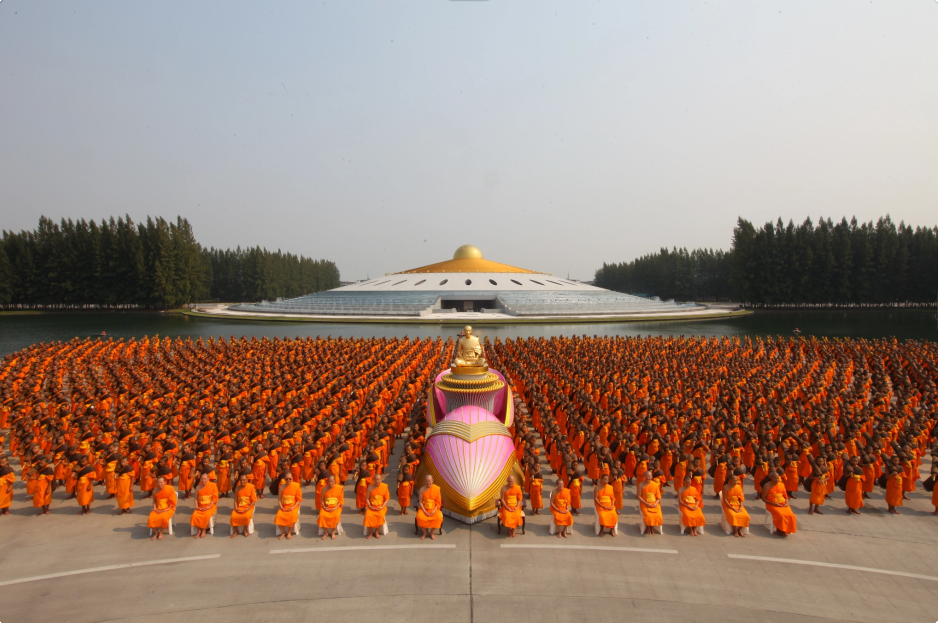
Modern Buddhism emerged in Asia during the 19th and early 20th centuries, shaped by rapid social transformation, colonial pressures, and global technological changes. As Buddhist leaders saw their traditions under threat, they adapted existing practices and teachings to meet the challenges of the moment. Meditation and philosophy were increasingly taught to a lay audience, and some leaders modified traditional approaches to align with modern values. Buddhist scholars debated with Christian missionaries, and revivalist movements emerged across Asia. These efforts, and the organizations founded during this period, had lasting effects, both locally and globally.
Several Buddhist reformers played pivotal roles in these transformations. Though they came from different cultural and political worlds, they had a common aim: to modernize Buddhism for a new generation while preserving its core teachings.
Anagarika Dharmapala (1864–1933), an activist, teacher, and writer, lived up to his name, “Protector of the Dharma.” Born in Sri Lanka, he played an important role in the reestablishment of Buddhism in India. Finding Bodhgaya—the site of the Buddha’s enlightenment—in disrepair, he launched a campaign to restore it and regain control of the site (a goal realized in 1949). Dharmapala traveled widely to promote Buddhism and maintained regular contact with the founders of the Theosophical Society, Madame Blavatsky and Colonel Olcott, who helped popularize Buddhism and spirituality in the West.
Taixu (1890–1947) was a Chinese Buddhist revivalist whose work followed the 1911 Wuchang Uprising and the fall of the Qing dynasty. Taking note of international social and political changes outside China, he called for reforms in monastic education and the sangha’s structure. Seeking to make modern Buddhism more relevant in society, Taixu promoted his ideas through newsletters and periodicals and taught internationally. His writings inspired many East Asian Buddhist reformers.
Gendun Chopel (1903–1951) trained in the Gelug tradition in eastern Tibet, then left monastic life in 1934 to travel to India with the scholar Rahul Sankrityayan. He translated Sanskrit texts, helped form a progressive political party, and advocated for sweeping reforms in Tibet. Upon returning to Lhasa, he was arrested and imprisoned for his writings. Though his proposals were never enacted, his intellectual legacy endured.
These are just a few prominent modernist figures in Asia, and they represent only a subset of the Buddhist approaches adopted during the modern era. Efforts to reform and adapt were often met with resistance from traditionalists, a dynamic that intensified under the pressures of colonialism.
Buddhism and Colonialism

Colonialism profoundly disrupted Asian political and religious institutions in the 19th and 20th centuries, requiring adaptation among Buddhist communities to survive. In South and Southeast Asia, under British, French, and Dutch control, colonial authorities weakened the traditional influence of the sangha and its patrons by introducing new legal and educational systems. Christian missionaries dismissed Buddhist practices as superstitious. Many Buddhist communities responded by launching reform movements to preserve and promote their traditions. Even in regions that avoided colonization, such as Japan and Thailand, Buddhist institutions still adapted to modern pressures.
During this time, several Western scholars and colonial officials developed an interest in Buddhism. Lieutenant Colonel Laurence Waddell (1854–1938), a British army doctor, traveled widely in South Asia, studied Sanskrit, and wrote one of the earliest Western accounts of Tibetan Buddhism. He also helped locate an Ashokan pillar marking the Buddha’s birthplace at Lumbini, in present-day Nepal. Brian Houghton Hodgson (1801–1894), a naturalist stationed in Nepal, studied Newar Buddhism and sent a collection of Sanskrit manuscripts to Europe that helped shape the study of Buddhism in the West.
The translation of Buddhist scriptures significantly influenced the popular perception of Buddhism as a philosophical and world religion. The Pali Text Society, founded in England in 1881 by the former British administrator Thomas Rhys Davids (1843–1922), aimed to make the Pali canon available in English. After his death, the society was led by his wife and fellow translator, Caroline Rhys Davids (1857–1942). At the same time, Western scholars emphasized philosophical doctrines and meditation as the “original” Buddhism, dismissing contemporary Asian ritual and devotional practices as degenerate or impure.
In response to colonialism and increased contact with Western powers, Buddhist organizations initiated educational reforms, publishing efforts, and numerous nationalist movements. In Myanmar, Ledi Sayadaw promoted meditation and scriptural study among laypeople to preserve Buddhist identity under foreign rule. During the 20th-century Japanese Empire, by contrast, Japan employed Buddhism as a tool of imperial control and expansion, exporting its version of Buddhism to its colonies in Korea, Taiwan, and parts of China. Across Asia, Buddhist communities navigated rapidly shifting political orders, laying the groundwork for the transnational forms of Buddhism that we know today.
Buddhism Meets Science

With globalization, Buddhists have been increasingly exposed to scientific views that challenge traditional cosmologies and religious claims. Some Asian teachers saw this as an opportunity to present Buddhism as more compatible with science than other religions. Modern scientific discoveries have also been compared to ancient Buddhist insights: The theory of relativity echoes concepts like emptiness, while atomic theory resembles the idea of momentary dharmas. In making such connections, Buddhists sometimes downplayed the supernatural or cosmological aspects of their traditions. Colonialist rhetoric also reinforced this perspective, promoting Buddhism as a rational religion that rejects superstition and devotional practices.
This view found eager audiences in the West. Many early Western Buddhists, disenchanted with Christian doctrine, emphasized Buddhism’s rational and experiential dimensions. Some insisted that Buddhism was not a religion at all but a philosophy or even a “science of the mind.” The German-American philosopher Paul Carus (1852–1919) advanced this view in The Gospel of Buddha, an influential book that appealed to both Western and Asian audiences. These early efforts to define Buddhism as rational and scientific still shape how people imagine Buddhism.
The alignment between Buddhism and science persists today. Psychologists and neuroscientists continue to study the effects of meditation on mental states and brain function, often focusing on long-term practitioners. These investigations have helped popularize the image of a “scientific Buddha”—a figure of calm insight, stripped of metaphysics and tradition, validated by brain scans and peer-reviewed studies.
Yet efforts to align Buddhism with science often obscure the historical emphasis on karma, cosmology, and ritual. Critics argue that this scientific version of Buddhism flattens its complexity and cultural richness, and is itself a modern invention. Others, like B. Alan Wallace, argued that science provides a helpful framework for exploring Buddhist practice.
The conversation between science and Buddhism has led to new insights and debates, and continues to this day. As Buddhist ideas gained new legitimacy in secular and scientific circles, a parallel movement began to emphasize their ethical relevance in the face of suffering and injustice.
Engaged Buddhism and Social Justice Movements
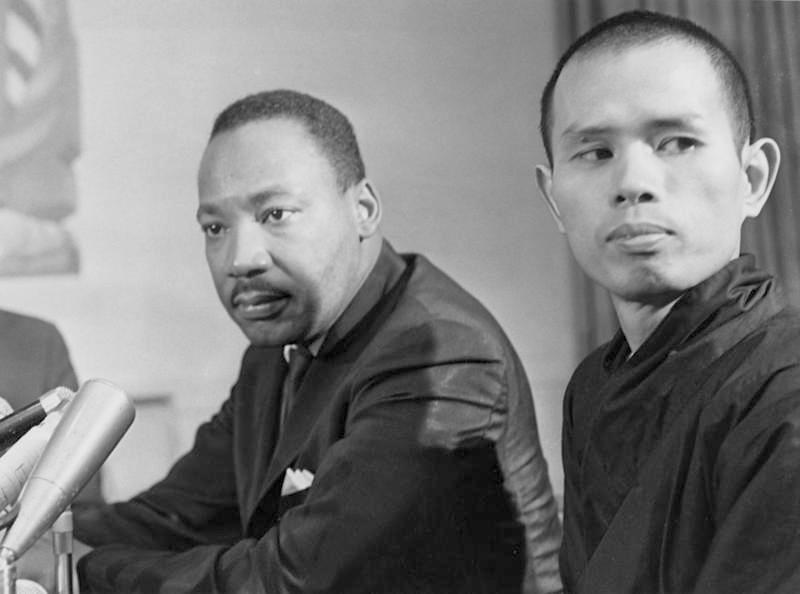
All beings are subject to suffering, illness, aging, and death, and the Buddhist path of awakening is also open to all, regardless of identity or way of life. In the Buddha’s own time, this was a controversial stance, as it challenged prevailing caste hierarchies and social divisions. Today, many Buddhist leaders have built on this foundation to address systemic forms of suffering in the modern world. Engaged Buddhism is one expression of this effort.
Engaged Buddhism emerged from broader reforms known as Humanistic Buddhism, which gained traction in East Asia in the early 20th century. Following the Chinese reformer Taixu (1890-1947), among others, its proponents sought to renew Buddhism by emphasizing ethics, education, and active concern for others’ well-being. This approach was seen as correcting a traditional Buddhist emphasis on pacifying spirits and ghosts, funeral services, and other rites.
Thich Nhat Hanh (1926–2022) encountered these ideas in his youth and adapted them to respond to the suffering caused by the Vietnam War. Coining the term Engaged Buddhism, he taught that meditation, wisdom, and compassion provide the only lasting relief from poverty, violence, and injustice. His teachings emphasized mindfulness—not only on the cushion but also in how we eat, speak, and care for others. It was his exposure to Humanistic Buddhism in Asia that led to the rise of Engaged Buddhism in the West.
Many Western teachers have continued these efforts. Zen teacher Bernie Glassman (1939–2018) founded the Order of Zen Peacemakers to integrate meditation and social action. The feminist writer bell hooks (1952–2021) used Buddhist ideas to inform her critiques of racism and patriarchy. Environmental activist Joanna Macy (1929–2025) grounded her climate activism in Buddhist principles, such as impermanence and interdependence.
Buddhist principles are increasingly invoked to guide social and political change, but this has not been without criticism. Some argue that Buddhism has traditionally emphasized individual liberation and inner transformation, not outward activism, and that emphasizing engagement risks sidelining the tradition’s core aims. Engaged Buddhists respond by citing the Mahayana doctrine of skillful means—the idea that teachings and practices must adapt to circumstances to alleviate suffering in the world as it is.
Engaged Buddhist communities in the West continue to grow. Black and queer dharma circles address specific types of suffering and cultivate resilience among their members. Ecodharma networks advocate for a spiritual response to ecological crises. In these movements, Buddhist practice serves as a vehicle for transforming both the self and society.
Secular Buddhism

Secular Buddhism is a modern approach to Buddhist practice that does not rely on metaphysical beliefs. It emerged in the late 20th and early 21st centuries, shaped by global secularism, scientific rationalism, and a growing interest in Buddhist ethics and meditation outside of religious frameworks. Secular Buddhists maintain that the path does not require faith in supernatural forces, karma, or rebirth.
Generally, secular Buddhism sets aside the cosmologies, rituals, and devotional elements that have long shaped Buddhist traditions. In doing so, it emphasizes how core teachings and practices can contribute to both individual and collective well-being. Stephen Batchelor’s work, particularly his book Buddhism Without Beliefs, is often cited as foundational to this approach. He reimagines the four noble truths as a fourfold task: to embrace life and its difficulties, let go of reactivity, see the ceasing of reactivity, and act ethically and skillfully as the path.
Rather than aiming for enlightenment in a future life or escape from samsara’s cycle of death and rebirth, secular Buddhists emphasize ethical living, mindfulness, and reducing suffering in this life. They interpret Buddhist teachings through the lens of human experience and flourishing, grounding them in contemporary social, psychological, and cultural contexts.
Many secular Buddhist communities are lay-led and nonhierarchical, gathering in small, supportive groups either in person or online. They are often structured around shared values of inquiry and ethics, inclusivity, and democratic participation, with no central authority or rigid doctrine. These groups emphasize practice over belief and community over hierarchy.
Secular Buddhism, for many, is a paradox, or contradiction in terms: an interpretation that reduces a religious path to a lifestyle or self-help strategy. Supporters respond that Buddhism has always adapted to the cultures it encounters. In After Buddhism, for instance, Batchelor applies the principle of emptiness—that nothing has a fixed, unchanging essence—to Buddhism itself.
The current prominence of secular views raises complicated issues about religious practice and what it means to be a Buddhist in the modern world.
Mindfulness and Western Psychology

The Buddha lived and taught 2,500 years before the emergence of modern psychology, yet his teachings offer an insightful analysis of human behavior and perception that overlaps with contemporary psychological views in many ways. Buddhist models of the mind—how we construct and cling to our conceptions of self and the world—have influenced psychotherapists and psychologists. Buddhist practice, especially mindfulness, is often framed as a therapeutic strategy for reducing mental suffering.
The Buddhist canons contain numerous discourses attributed to the Buddha on emotions, motivations, and reactions, including those that are latent or unconscious. The Abhidharma Pitaka (Skt.; Pali: abhidhamma pitaka), or “collection of advanced teachings,” has been described as a compendium of Buddhist psychology. It categorizes the components of mental and physical experience and provides guidance on ethical conduct, mental training, and the cultivation of wisdom.
Mindfulness practices are commonly traced back to the canonical teachings in the Satipatthana Sutta, also known as the Discourse on Mindfulness, which introduces mindfulness of the body, feelings, mind, and mental phenomena. The modern mindfulness movement has adapted these practices, promoting their relevance not only for monastics but also for those seeking to enhance health, productivity, and relationships. In 1979, Jon Kabat-Zinn established the Mindfulness-Based Stress Reduction (MBSR) program in US hospitals. Today, mindfulness is widely featured in workplaces, mobile apps, and wellness culture.
The Japanese scholar D. T. Suzuki (1870–1966) impressed prominent 20th-century psychologists, initiating a dialogue between Zen Buddhism and psychoanalysis that continues to this day. Teachers like Jack Kornfield and Tara Brach are both trained psychotherapists who integrate psychological frameworks into their Buddhist teaching. Mindfulness and meditation have also been incorporated into clinical modalities. Therapy and mindfulness can be framed in Buddhist terms as skillful means —culturally responsive tools for alleviating suffering.
Prominent Buddhists, such as Bhikkhu Bodhi, argue that secularized mindfulness and abhidharma models risk co-opting Buddhist teachings, overlooking the tradition’s ultimate aim of liberation. Others argue that downplaying psychological insights can lead to spiritual bypassing. Buddhists hold a wide variety of views on this issue. The ongoing discussion continues to stimulate lively debates and innovative approaches to practice.
Digital Buddhism

Buddhism has consistently adapted to new technologies, a trend that is particularly evident in the digital age. Communities have effectively integrated the internet, mobile apps, and social media into their practices and outreach efforts. Online platforms are a major source of engagement for both practitioners and seekers. Digital Buddhism crosses geographical and cultural boundaries, and the rapid spread of information has turned local events into global concerns. In one striking example, an AI chatbot has even been formally ordained, raising new questions about consciousness, ethics, and authority in Buddhist communities.
Monastics and lay teachers use livestreams, podcasts, and YouTube to reach worldwide audiences. For some, building a digital presence has replaced the goal of maintaining physical temples or dharma halls. Online archives and digital texts have also made Buddhist scriptures and commentaries increasingly accessible, supporting deeper study among scholars, monastics, and laypeople. Likewise, technology has transformed historical research and the translation of Buddhist texts. And AI is now poised to revolutionize all of this; its impact on Buddhist communities and learning is yet to be understood.
Virtual Buddhist communities have emerged on platforms like Discord, Reddit, and Facebook, providing spaces for discussion, study, and mutual support—essential components of traditional Buddhist practice. These platforms broaden access to Buddhist teachings, a development that became especially important during the Covid-19 pandemic. Meditation apps like Headspace, Insight Timer, and Calm have popularized Buddhist teachings, such as mindfulness, in secular settings.
Digital Buddhism has created remarkable opportunities, though not without tensions. The commercialization of mindfulness often strips it of its ethical and philosophical roots. Online meditation groups are convenient and cost-effective, but the lack of in-person interaction may erode aspects of spiritual mentorship and communal practice that have historically been central to the Buddhist path. In response, some teachers now advocate for “digital detox” as part of Buddhist discipline, encouraging practitioners to reflect on their relationship with technology. The deliberate choice to unplug—sometimes framed as liberation from a kind of digital samsara—has become part of a growing conversation around ethical media use.
Accessibility is at an all-time high, but the abundance of content can produce a “supermarket effect,” where choice overwhelms clarity. Even so, Buddhism’s long-standing emphasis on skillful means—adapting methods to meet people where they are—suggests that Buddhist communities can continue to thrive and evolve in this rapidly changing digital landscape.
Challenges and Critiques of Modern Buddhism

The adaptations and innovations that have shaped modern Buddhism have also sparked a range of challenges and critiques. To align with modern worldviews, many ethical precepts, narratives, and ritual practices are downplayed in favor of meditation. Core teachings such as karma, rebirth, and right livelihood are sometimes omitted entirely, prompting questions about whether what remains can still be considered “Buddhism” in any meaningful sense. Critics also point out that dismissing these elements as “cultural baggage” can reflect an underlying ethnocentrism that values Westernized forms of Buddhism over traditional ones.
The commercialization and commodification of mindfulness and meditation are prominent issues. Detached from their ethical and philosophical roots, these practices are often rebranded as tools for self-improvement, stress relief, productivity, or wellness. Critics describe this trend as “McMindfulness,” a flattening of spiritual discipline into a consumer-friendly technique. The Slovenian philosopher Slavoj Zizek has argued that modern Buddhist practices can even function as ideological support for capitalism. Others push back, claiming that mindfulness remains valuable, even when adapted for secular use.
Another overlooked issue is the potential for negative outcomes in meditation. Buddhist texts acknowledge the possibility of distress, and “meditation sickness” has long been documented in Buddhist traditions. Its rise in modern settings, especially among those who undertake practice without adequate support, has drawn increased attention. Organizations like Willoughby Britton’s Cheetah House research the range of difficulties that can arise for practitioners and help those who experience adverse effects.
Buddhist teachers have also faced heightened scrutiny in recent years. Scandals involving abuse and misconduct have led to growing calls for accountability, transparency, and better community safeguards. Hierarchical institutions have often struggled to respond effectively. In response, many modern reformers advocate for organizational structures that are grounded in contemporary values, such as gender equality and collective responsibility.
Despite the difficulty of addressing some entrenched issues, many see challenges and critiques as opportunities for Buddhism to evolve, adapting its forms while remaining true to its core principles.
Buddhism and Politics
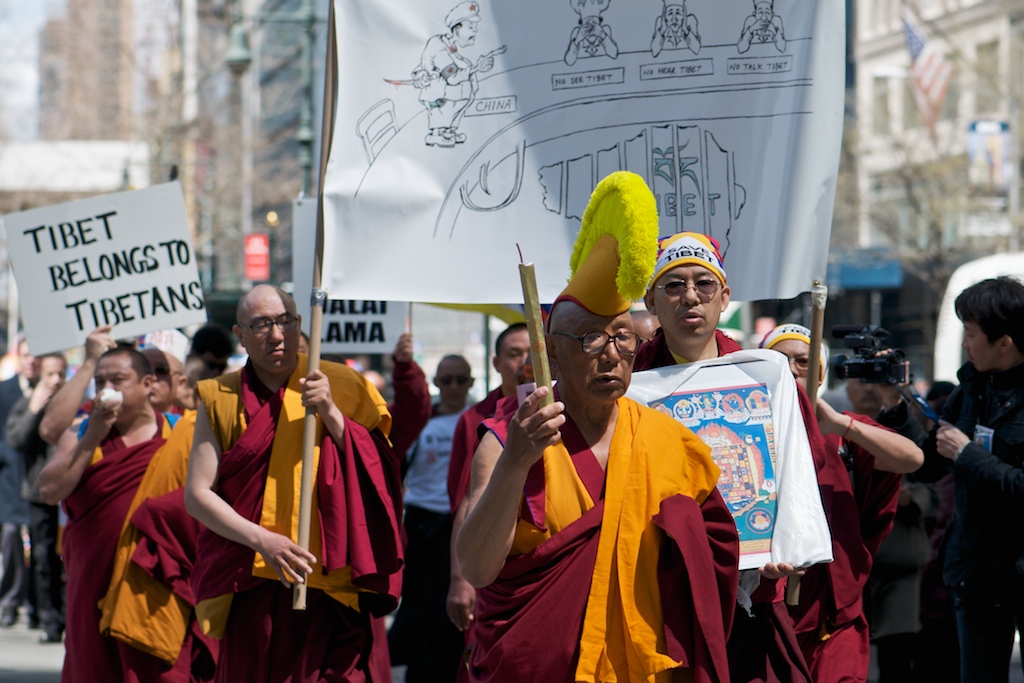
The Buddha did not teach his lay followers to abstain from politics. In fact, many were members of royal or aristocratic families, the power-holders of their time. The 3rd-century BCE Indian emperor Ashoka, one of the most celebrated political figures in Buddhist history, made significant contributions to promoting the Buddha’s teachings and disseminating them throughout his empire and beyond. Over the centuries, political rulers have formed alliances with prominent Buddhist leaders, using the tradition to bolster state authority or, in some cases, justify rebellion.
In the 20th century, Buddhism played a central role in Asian nationalist movements. During World War II, Japanese militarists drew on Buddhist ideas to justify imperial expansion. In Sri Lanka, Buddhist identity was mobilized in both anticolonial and postindependence nationalist rhetoric. In contemporary Myanmar, Buddhist organizations and leaders have been involved in political campaigns that range from humanitarian to extremist. In such contexts, Buddhist doctrines have at times been used to legitimize violence, raising difficult ethical questions about the relationship between religion and political power.
While the Vinaya prohibits monastics from direct civic participation beyond teaching and ritual duties, monastics have often held significant political influence. The Dalai Lama and the Supreme Patriarch of Thai Buddhism are notable examples of religious leaders who hold national or international political roles.
In the 1960s and ’70s, Vietnamese Buddhist monastics, including Thich Quang Duc, self-immolated to protest the anti-Buddhist policies of the South Vietnamese government and the broader violence of the Vietnam War. More recently, Tibetan monastics and laypeople have undertaken similar acts to protest the occupation of Tibet by the Chinese government and to call for the return of the exiled Dalai Lama. These extreme actions are deeply personal and can be interpreted through both Buddhist and political lenses.
Buddhist values continue to inform debates around social justice, environmentalism, gender, and identity politics. Some teachers, such as Ajahn Chah, have argued that political engagement contradicts renunciation and undermines monastic traditional roles. For others, however, engagement is seen as a moral imperative, especially because Buddhist teachings, such as compassion and interdependence, can serve as powerful tools for addressing systemic harm.
As we continue to live through a period of technological and political change, Buddhists of every stripe are adjusting to the new realities of an increasingly globalized world.
Buddhism and Medical Ethics

Contemporary Buddhists evaluate a variety of perspectives when it comes to issues such as abortion, assisted suicide, and organ donation. The first of the five precepts—the basic guidelines for Buddhist ethics—is to abstain from taking life. The Buddha outlined conditions that constitute killing: Was the act intentional? Was an effort to kill exerted? Abortion and assisted suicide generally fulfill those conditions. Yet because they are intensely personal decisions, views among Buddhists vary widely.
Abortion has inspired much Buddhist debate over the centuries. Contemporary Buddhists often seek a flexible approach that acknowledges the moral weight of abortion while affirming women’s choice. The precepts are guidelines, not commandments, and abortion is often considered by Western Buddhists to be a personal decision best made by the woman and her doctor. Secular Buddhists who are agnostic about rebirth often differ from those who strongly believe in karma. In traditional Buddhist societies, rituals are sometimes performed to help the spirit of the aborted fetus.
Assisted suicide is similarly divisive. From an orthodox standpoint, suicide cuts short the opportunity to work through karma and attain awakening in this lifetime, even if undertaken to ease extreme suffering from illness or dementia. Assisted suicide goes a step further by implicating another person in the act of ending life. Still, many Buddhists view it as an expression of compassion, both by the person seeking to die and the person assisting them. When carried out with clarity and the intention to reduce suffering, some believe it is less likely to result in negative karmic consequences. Most hospice and palliative care professionals advocate a case-by-case approach, cautioning that harsh judgment can be as harmful as the act itself.
Organ donation also presents complexities. On one hand, donating organs aligns with Buddhist values of generosity and compassion. On the other hand, some teachers caution against disturbing the body after death, believing it may hinder the deceased’s peaceful transition to the next life. Generally, organ donation is regarded as a personal choice.
Medical ethics pose unique challenges, given the diverse beliefs and cultural contexts within which contemporary Buddhism is now practiced.
Women in Buddhism Today
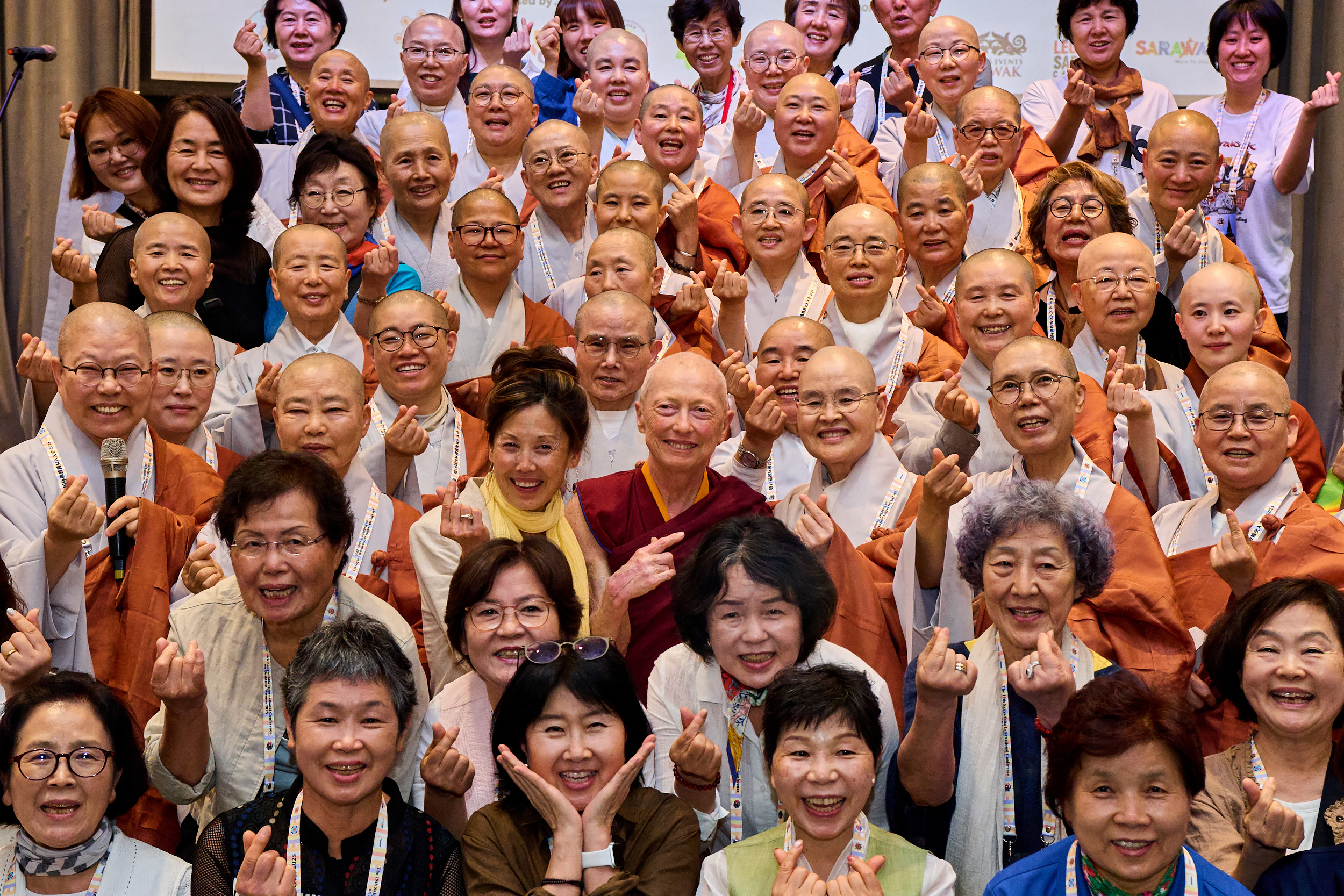
The Buddha taught that all beings have the capacity for enlightenment, and countless women have walked the path as lay practitioners, teachers, and monastics. Yet Buddhist institutions have often discriminated against women, sometimes severely, resulting in unequal access to education, resources, and leadership roles. Today, women’s rights continue to spark debate, reflecting longstanding inequalities within Buddhist communities—and prompting common questions, such as: Can women be monks?
Although the Buddha praised his female disciples, he initially refused to ordain women. Only after repeated requests from his stepmother, Mahaprajapati, and his attendant and cousin, Ananda, did he allow the formation of a nuns’ order. Even then, ordained women (Pali: bhikkhuni) were required to follow eight “heavy rules” (garudhammas) that placed them in a subordinate position to monks. In many traditional communities, it is still believed that a woman must be reborn as a man to attain nirvana.
Full ordination for women disappeared over time in many Theravada countries and was never fully established in Tibetan Buddhism. In East Asia, however, bhikkhuni ordination lineages were preserved. A major challenge today lies in reviving lineages that have vanished. Monastic codes stipulate that full ordination must be given by other fully ordained nuns within the same lineage. This creates a catch-22 in traditions where no such nuns currently exist, making revival difficult, if not impossible, under orthodox rules.
Despite this, the movement to restore full ordination has gained strength. Hundreds of Theravada and Tibetan nuns have received ordination from East Asian preceptors, drawing both support and criticism. Conservative voices question the legitimacy of these ordinations, while progressive Buddhists view them as a vital step toward gender equality. Prominent teachers and scholars have cited canonical texts to challenge narrow interpretations of the ordination rules. The Dalai Lama and other leaders have voiced support, and the international network Sakyadhita continues to advocate for full ordination for women. In 2025, Sri Lanka’s Supreme Court issued a landmark ruling affirming the legal recognition of bhikkhuni ordinations performed through Mahayana lineages, adding institutional weight to efforts at restoring women’s full participation in Theravada communities.
As gender equality has advanced globally, Buddhist women and their allies have worked to uproot discriminatory structures in their traditions. The #MeToo movement has also exposed widespread misconduct in Buddhist communities, prompting calls for reform. Still, many women today continue to navigate a tradition shaped by patriarchal institutions and masculine imagery.
New Buddhist Traditions
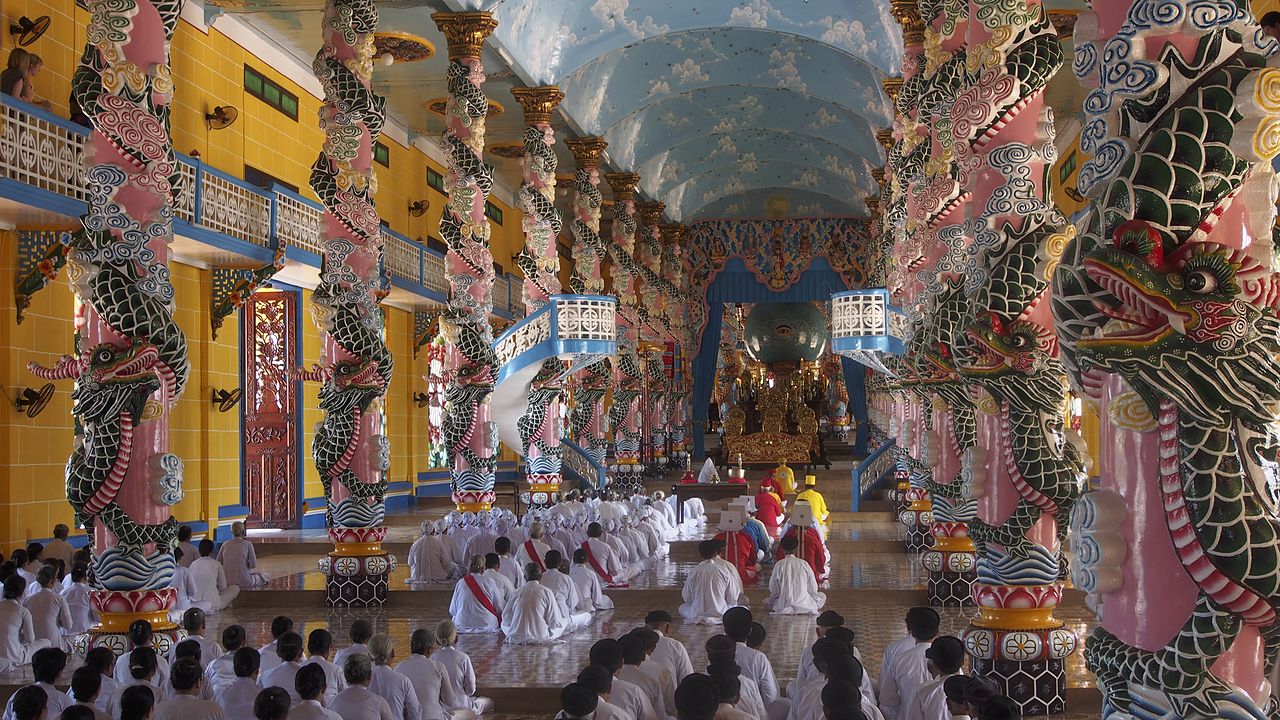
The 19th and 20th centuries saw a global wave of religious innovation, and Buddhism was no exception. New traditions emerged in response to industrialization, colonialism, political upheaval, and rapid societal change. Some focused on spiritual cultivation, education, and social reforms, while others blended traditional teachings with modern methods or interfaith ideals. Many were formed outside monastic institutions, making Buddhism more lay-centered. Diverse in origin and orientation, these movements reflect efforts to spread the Buddha’s teaching in the modern world.
In India, the jurist and activist B. R. Ambedkar (1891–1956) called on Dalits—members of the so-called “untouchables” caste—to convert to Buddhism as a form of liberation. His teachings, known as Navayana, or “Neo-Buddhism,” remain an important source of empowerment and identity for millions today.
In Vietnam, Cao Dai (founded in 1926) and Hoa Hao (founded in 1939) incorporated Buddhist values into broader religious and political frameworks. Cao Dai blends elements from multiple religions and honors figures like Buddha and Jesus. Hoa Hao emphasizes simplicity, social justice, and rural morality.
Among Tibetan communities in exile, movements such as Shambhala, founded in the United States in the 1970s, and Tergar, led by Yongey Mingyur Rinpoche, offer new models of practice that combine meditation with teachings on modern life and harmony.
In Japan, Soka Gakkai International (SGI), rooted in Nichiren Buddhism, promotes chanting, personal transformation, and social engagement. Founded in 1930, it is now one of the largest and most diverse Buddhist communities worldwide.
Modern Korean movements include Taego, a branch of the traditional monastic orders that integrates Seon (Zen) practice with clerical marriage, and Won Buddhism, founded in 1916 outside the traditional lineages, which blends Confucianist, Daoist, Buddhist, and indigenous teachings.
In Taiwan, the Tzu Chi Foundation, founded in 1966 by the Buddhist nun Cheng Yen, is now one of the world’s largest humanitarian organizations. Fo Guang Shan, founded in 1967, promotes humanistic Buddhism through education and cultural outreach.
Other influential groups include Shinnyo-en, a Japanese lay-based group focused on ritual and peace, and the New Kadampa Tradition, a Tibetan Buddhist offshoot based in the UK, that emphasizes lay teaching and doctrinal purity.
This is only a partial list of the many movements that have shaped modern Buddhism. Each reflects the tradition’s capacity to evolve while remaining rooted in the past, yet remains aware of people’s needs in the present.
Buddhism for Beginners is a free resource from the Tricycle Foundation, made possible by the generous support of the Tricycle community. It reflects our mission to make the Buddha’s teachings widely available. We welcome your feedback at feedback@tricycle.org.